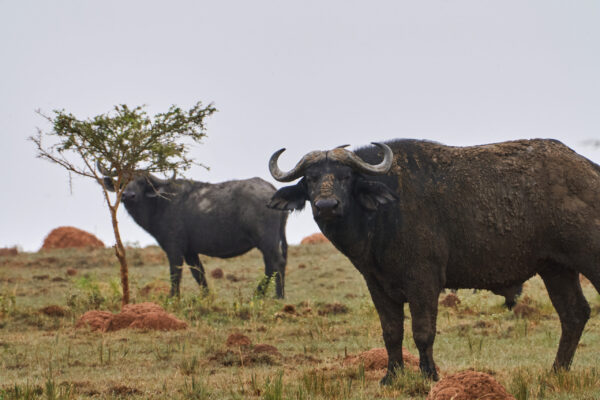
African Buffalo: Facts, Lifespan, Diet, Weight, and Speed.
All You Need To Know About The African Buffalo
The African buffalo is one of Africa’s most powerful and iconic large mammals, making it a fascinating subject for researchers and students from Europe, the USA, Canada, and Asia who are studying wildlife, ecology, and conservation. Known for its strong social herds, impressive survival instincts, and important role in African ecosystems, the African buffalo is a key species in understanding predator-prey relationships, grazing patterns, and habitat use. Its presence in the wild also offers valuable insight into the health of grassland and savannah environments, where it contributes to maintaining ecological balance across many protected areas.
African buffalo are found across sub-Saharan Africa, especially in countries such as Uganda, Kenya, Tanzania, Rwanda, Botswana, Zambia, Zimbabwe, South Africa, Namibia, Mozambique, and parts of the Democratic Republic of Congo. They thrive in savannahs, open woodlands, floodplains, wetlands, and areas near water sources, often gathering in large herds in national parks and game reserves. Well-known places to study or observe them include the Serengeti, Masai Mara, Kruger National Park, Queen Elizabeth National Park, Chobe National Park, and Hwange National Park, making them an excellent species for field research, wildlife tourism, and academic study.
Explore the African buffalo’s social behavior, lifespan, predators, diet, habitat, weight, and speed in this concise, easy-to-read, wildlife-free guide for all.
Exclusive Facts About The African Buffalo
African Buffalo Social Behavior
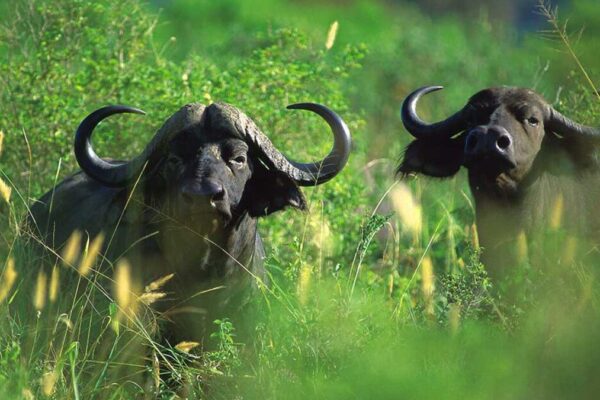
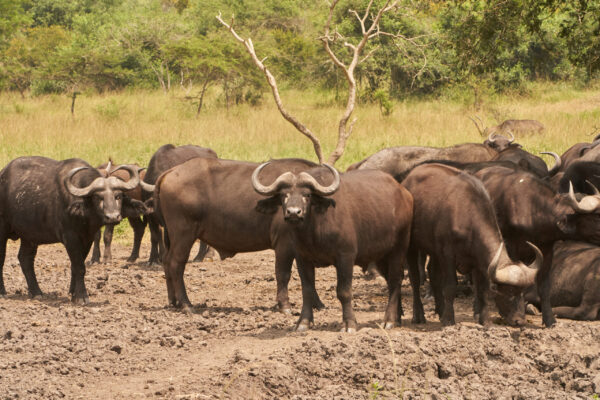
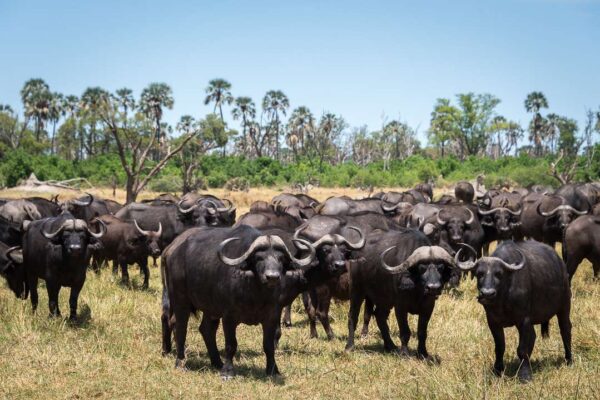
African buffalo are highly social animals that live in large herds, sometimes numbering from a few dozen to several hundred individuals. Herds offer protection, especially for calves, because many eyes and strong bodies make it harder for predators to attack successfully. Their social structure is flexible, with females and young often staying together while males may form smaller bachelor groups or join the herd depending on age and condition. Buffalo communicate through vocal sounds, posture, and movement, and they often move together in search of grazing and water. Their teamwork is one of the reasons they survive so well in the wild.
African Buffalo Lifespan
In the wild, African buffalo usually live around 15 to 20 years, though some may live longer in protected environments with fewer threats and better access to food and water. Their lifespan is affected by predators, disease, drought, injury, and competition for resources. Calves face the highest risk during their early months, while older adults may struggle with exhaustion or illness. In reserves and national parks, where human pressure is lower, buffalo may enjoy a longer and healthier life. Their survival also depends on herd strength, because living in groups helps reduce danger and improves their chances of reaching adulthood.
African Buffalo Predators
African buffalo have several natural predators, with lions being their most dangerous threat. Large crocodiles may also attack them near rivers and waterholes, especially calves or weaker individuals. Leopards and spotted hyenas sometimes prey on young buffalo, but they are less likely to challenge healthy adults. Because buffalo are large, powerful, and often aggressive, predators usually target the vulnerable rather than the strong. Adult buffalo can fight back fiercely using their horns and group strength, which makes them one of the more difficult prey animals in Africa. Their herd defense is a major survival strategy against these threats.
African Buffalo Diet
African buffalo are herbivores, feeding mainly on grasses, especially fresh green shoots during the wet season. When grass is scarce, they can also browse on leaves and other plant material, but grazing remains their main diet. They need plenty of water and usually stay close to water sources because they drink frequently. Buffalo often feed for many hours each day, moving slowly across open plains, wetlands, and grasslands in search of nutritious forage. Their grazing plays an important ecological role by shaping vegetation and influencing the landscape. Healthy grasslands help support buffalo populations, and buffalo help maintain those grasslands in return.
African Buffalo Habitat
African buffalo live in a wide range of habitats across sub-Saharan Africa, including savannahs, grasslands, wetlands, floodplains, and open woodlands. They prefer places with reliable water, rich pasture, and enough space for large herds to move safely. They are especially common in protected areas such as national parks and game reserves, where their habitat remains less disturbed by farming and settlement. Buffalo are adaptable, but they do best in areas where food and water are available throughout the year. Their habitat choice reflects their need for safety, grazing, and seasonal movement, all of which are essential for herd survival.
African Buffalo Weight
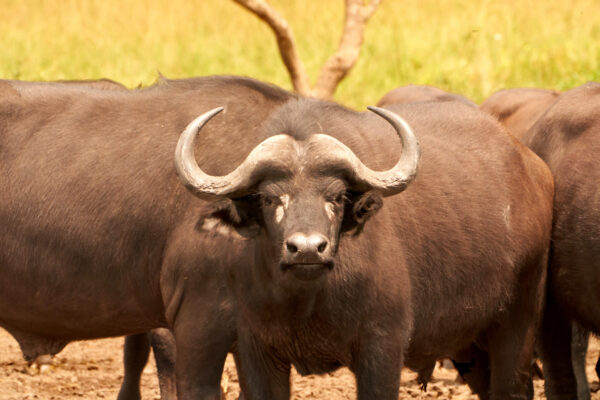
African buffalo are large and heavy animals, with adult males usually weighing between 500 and 900 kilograms, while females are generally lighter, often around 400 to 700 kilograms. Their strong, compact bodies and thick horns make them one of Africa’s most formidable grazers. Weight can vary depending on age, sex, health, and location, with buffalo in rich habitats often growing larger than those in harsher environments. Their bulk gives them strength against predators, but it also means they need substantial food and water to maintain their energy. Their size is one reason they are respected by both predators and wildlife observers.
African Buffalo Speed
Despite their heavy build, African buffalo can move surprisingly fast when threatened, reaching speeds of around 50 kilometers per hour in short bursts. This speed helps them escape danger or charge at predators when defending the herd. They are not built for long-distance running, but their explosive power and stamina make them dangerous opponents. Buffalo often use speed together with strength, especially when stampeding or turning to face a threat. Their ability to run quickly across open terrain gives them a strong advantage in the wild. Even though they look slow and steady, African buffalo can react with impressive force when needed.
African Buffalo Photos