Cross River Gorilla Weight, Strength, Habitat, and Population
Cross River Gorilla Facts and All You Need To Know
Cross River Gorilla Facts, Weight, Strength, Habitat, and Population. Cross River Gorilla Scientific Name and all you need to know about these African primates.
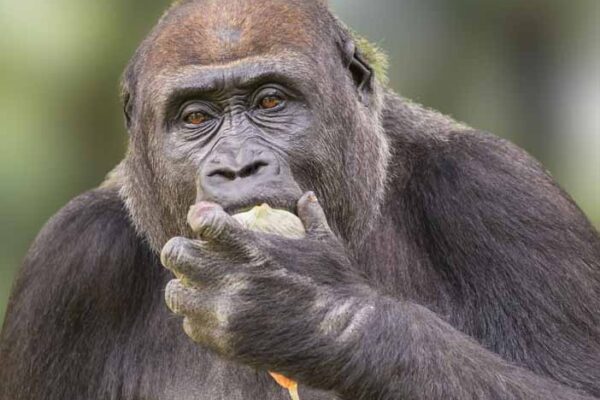
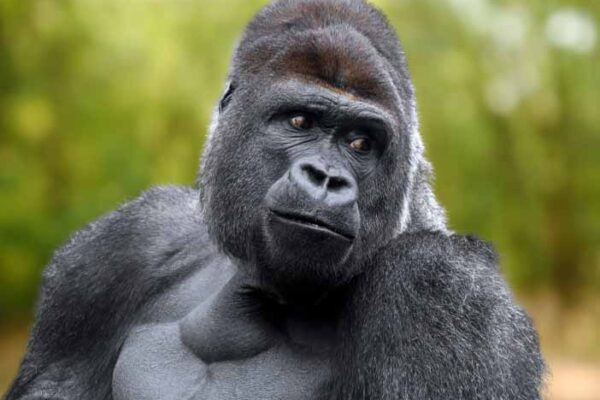
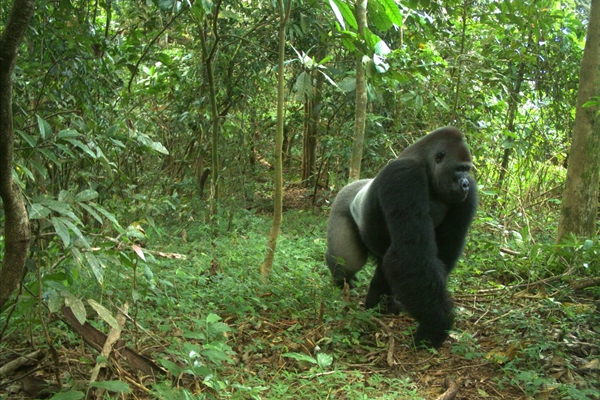
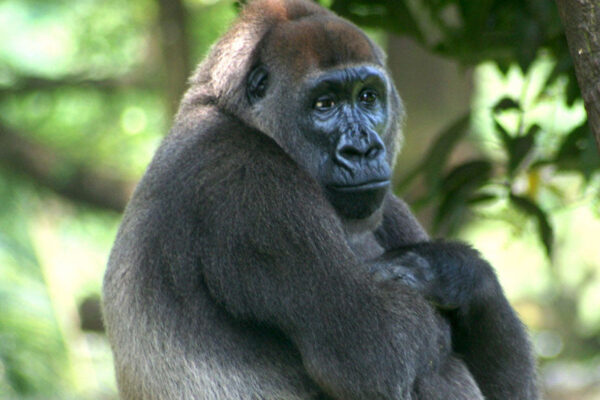
The Cross River gorilla (Gorilla gorilla diehli) is the world’s rarest great ape, confined to a small, rugged band of forests along the Nigeria–Cameroon border. Fewer than a few hundred individuals remain, dispersed in tiny, often isolated subpopulations across roughly 12,000 km² of fragmented highland and montane forest; this isolation makes them especially vulnerable to inbreeding and local extinctions. They are physically similar to western lowland gorillas but show subtle skull and dental differences and tend to occur at higher elevations in steep, forested terrain. Because they avoid open areas and have learned to be wary of people, much of what we know comes from indirect signs (nests, feeding traces) and targeted camera-trap surveys.
Threats are severe: hunting, small-scale farming that fragments habitat, logging, and infrastructure all shrink and isolate remaining groups, while political instability complicates protection. Conservation work combines transboundary protected areas, community engagement (turning former hunters into guardians), targeted patrols, and careful scientific monitoring; these efforts have located previously unknown groups and strengthened local stewardship, but recovery remains fragile. Protecting corridors between forest patches, expanding community livelihoods, and sustained funding for rangers and monitoring are the best pathways to prevent extinction. The Cross River gorilla’s survival depends on coordinated action across borders and communities.
Cross River Gorilla Weight
Cross River gorillas are large and powerfully built, though slightly smaller on average than the largest gorilla subspecies. Adult silverback males typically range from roughly 140–200 kg (310–440 lb), while adult females are substantially smaller, often near 70–100 kg (150–220 lb). Individual size varies with nutrition, age, and local ecology; males develop the broad chest, massive arms, and sagittal crest associated with dominance. Because the subspecies lives in rugged, often higher-elevation forests, body condition reflects both the seasonal availability of fruit and browse and the constraints of a fragmented habitat.
Cross River Gorilla Strength
Like other gorillas, Cross River silverbacks possess prodigious muscular strength far exceeding that of humans. Their heavily muscled shoulders, chest, and arms enable them to bend saplings, break substantial branches, build nests, and exert force used in threat displays or defense. Quantitative multipliers vary by study, but authoritative summaries place gorilla strength at many times a typical human’s capacity, making them able to move or lift very heavy loads relative to body size. Despite this capability, Cross River gorillas are usually non-aggressive toward humans unless cornered; strength functions mainly in social dominance, protection, and foraging.
Cross River Gorilla Habitat
Cross River gorillas occupy a tiny, fragmented range along the Nigeria–Cameroon border in steep, forested highlands, montane and submontane forests, and wooded ridges. Known localities cluster in a handful of protected and community-managed sites (for example, Takamanda, Afi Mountain, and Kagwene), where dense canopy, steep valleys, and remnant forest patches supply leaves, fruit, and nesting sites. Their distribution is highly patchy; groups are often separated by farmland or logging corridors, so landscape connectivity, intact riparian strips, and community forest management are vital to their survival and natural movements.
Cross River Gorilla Population
Cross River gorillas are the world’s rarest gorilla subspecies: current best estimates place the wild population in the low hundreds (commonly cited as roughly 200–300 individuals), dispersed across a dozen or so isolated localities. Small population size, fragmentation, hunting, and habitat conversion make them highly vulnerable to inbreeding, local extinctions, and stochastic shocks (such as disease, fires, and political instability). Conservation efforts, such as transboundary patrols, community stewardship, camera-trap monitoring, and protected-area management, have identified previously unknown groups and remain the only realistic path to long-term survival. Continued funding and cross-border coordination are essential.
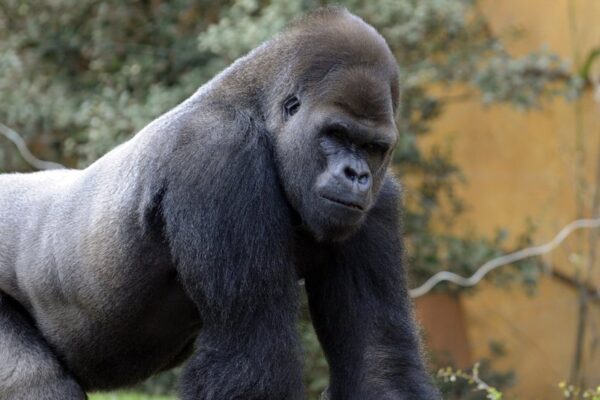
The best time to trek Cross River gorillas is during the drier windows when trails firm up and remote forest camps are most reliably reachable, commonly November–March and June–September, though precise months vary by site (Takamanda, Afi, Kagwene). The wet seasons (roughly March–May and October–November in many areas) turn paths to deep mud, swell streams, and raise the chance of cancellations, making hikes longer, colder, and harder on fragile habitats. Dry-season treks usually mean easier walking, clearer sighting, and smoother logistics for ranger-led groups; off-peak travel can reward you with fewer people and lush scenery but less predictable access. Because Cross River gorillas are few and highly localised, always book permits, arrange experienced local guides, and secure transport well ahead. Park and community officers control access, and conditions change quickly.