Do Primates Eat Meat? (Learn Gorillas and Chimpanzee Diet)
Do Primates Eat Meat? (Do Gorillas and Chimpanzees Eat Meat?)
Do Primates Eat Meat? (Learn Gorillas and Chimpanzee Diet) Do Gorillas Eat Meat? Do Chimpanzees Eat Meat? Are all primates omnivores? All you need to know.
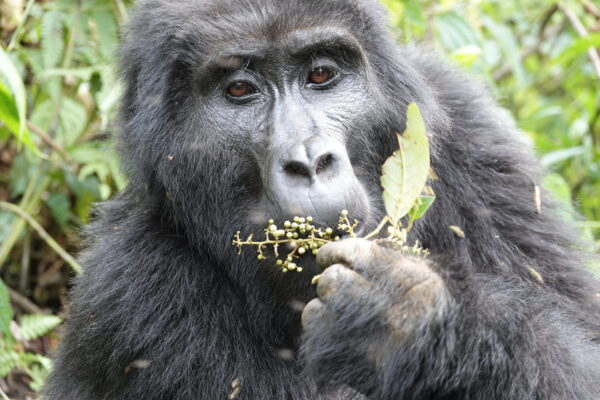
Primates have diverse diets, and whether they eat meat depends on the species. Gorillas are almost entirely herbivorous, feeding mainly on leaves, shoots, stems, fruits, and occasionally ants or small invertebrates, but they do not hunt or rely on meat as a food source. Their massive jaws and specialized molars are designed for grinding fibrous vegetation, and their daily foraging patterns revolve around high-volume plant consumption. Mountain gorillas, in particular, live in cooler, high-altitude forests where fruit is scarce, reinforcing their predominantly leaf-based diet. While they may accidentally ingest small insects while feeding, meat does not play an intentional role in their nutrition.
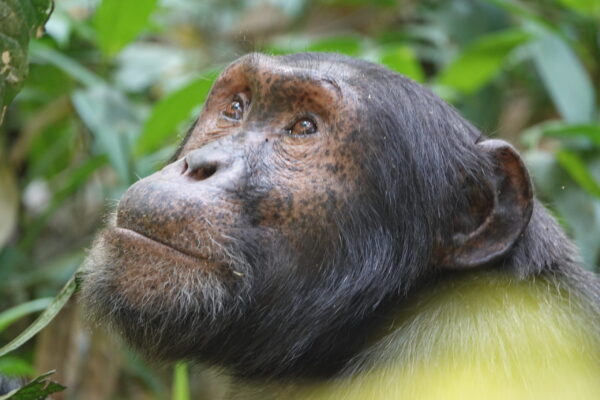
Chimpanzees, on the other hand, are true omnivores and actively include meat in their diet. They hunt in coordinated groups, targeting small to medium-sized mammals such as colobus monkeys, bushbabies, and young antelopes. Meat plays an important role in their social behavior; successful hunters often share meat to reinforce alliances, attract mates, or build status within the group. Beyond meat, chimpanzees consume fruits, leaves, seeds, honey, insects, and even termite mounds using tools they craft themselves. Comparing gorillas and chimpanzees shows how primate diets reflect their anatomy, environment, and social strategies: peaceful herbivores on one side, and intelligent, opportunistic omnivores on the other.
Uganda and Rwanda are two of Africa’s richest primate destinations, offering travellers exceptional opportunities to encounter gorillas, chimpanzees, and a wide range of monkey species in thriving natural habitats. In Uganda, the top spots include Bwindi Impenetrable National Park and Mgahinga Gorilla National Park for mountain gorillas, plus Kibale National Park, widely known as the primate capital of East Africa, with over 13 species, including the largest population of chimpanzees. Queen Elizabeth National Park’s Kyambura Gorge, Budongo Forest (Murchison Falls), and Semuliki National Park also provide impressive chimpanzee tracking and monkey-viewing experiences. Each location features professional guides and well-protected forests, ensuring rewarding wildlife encounters.
In Rwanda, primate watching is centered around the legendary Volcanoes National Park, home to several habituated mountain gorilla families in the Virunga Mountains. For chimpanzees and golden monkeys, Nyungwe Forest National Park is the standout destination, boasting ancient rainforest, canopy walkways, and an impressive diversity of primates, including L’Hoest’s monkeys, black-and-white colobus, and blue monkeys. Together, Uganda and Rwanda offer a premium combination of accessible tracking, well-managed conservation areas, and unforgettable primate viewing opportunities, perfect for travellers seeking close, ethical encounters with Africa’s most fascinating species.