
The Eastern Gorilla Facts, Weight, Strength, Habitat, and Population
Eastern Gorilla Facts: (All You Need To Know)
The Eastern Gorilla Facts, Weight, Strength, Habitat, and Population. Endangered subspecies of eastern gorilla endemic to the mountainous forests of eastern DRC.
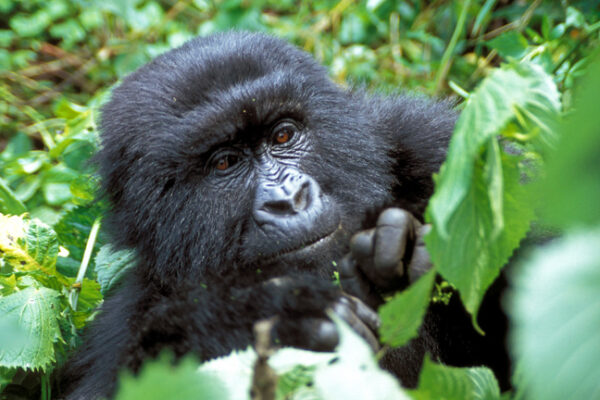
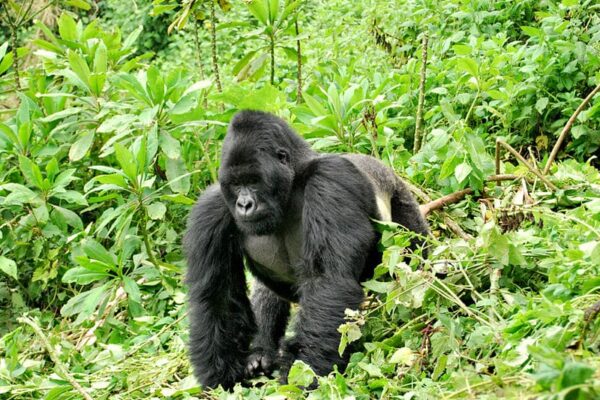
The eastern gorilla (Gorilla beringei) is a powerful, intelligent great ape found in the montane and lowland forests of eastern Africa and is represented by two distinct forms: the mountain gorilla (found in the Virunga Massif and Bwindi) and Grauer’s or eastern lowland gorilla (larger-ranging in eastern DRC). Eastern gorillas are larger and often more heavily built than their western cousins, with silverback males displaying massive chests, long arms, and prominent sagittal crests. Their diet leans heavily toward leaves, stems, pith, and bark, especially in higher-altitude regions where fruit is seasonally scarce, so they are important vegetation managers in their ecosystems. Social life centers on cohesive family groups led by a dominant silverback; grooming, play, vocal communication, and careful parenting reflect complex cognition and rich emotional bonds.
Despite their ecological importance and cultural value, eastern gorillas face intense threats: habitat loss from agriculture and mining, hunting and snares, disease transmission from humans, and the destabilizing effects of regional conflict. Conservation successes, such as dedicated ranger patrols, community-led conservation programs, regulated eco-tourism, and long-term scientific monitoring, have helped some mountain gorilla populations rebound, showing that coordinated protection can work. Continued support for protected areas, community livelihoods, anti-poaching efforts, and responsible tourism is crucial to secure eastern gorillas’ future; protecting them also preserves the highland forests and watersheds that millions of people depend on.
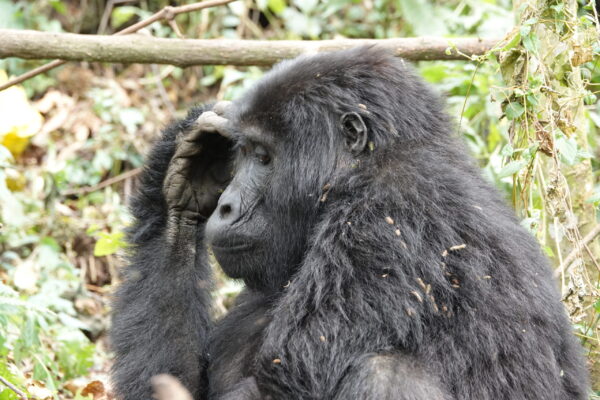
Eastern Gorilla Weight
Eastern gorillas are among the largest of the great apes. Adult silverback males typically weigh between about 140–220 kg (310–485 lb) for mountain gorillas and can be even heavier for some eastern lowland (Grauer’s) males, while adult females usually weigh roughly half to two-thirds the male mass (commonly 70–115 kg, with variation by subspecies and habitat). Size differences reflect diet, elevation, and available forage: mountain gorillas are stockier with dense fur for high altitudes, whereas Grauer’s gorillas may grow larger where richer lowland vegetation is available.
Eastern Gorilla Strength
Eastern gorillas possess prodigious strength relative to humans, due to large, muscular chests, shoulders, and arms shaped for powerful locomotion and manipulation. While precise multipliers vary by measure, adult silverbacks can easily uproot saplings, snap thick branches, and exert force many times a human’s capacity, abilities used in nest-building, foraging, and defensive displays. Their strength supports knuckle-walking, occasional climbing, and aggressive threat displays (chest-beating, charging) that normally avoid full combat. Despite their power, eastern gorillas are predominantly non-aggressive within groups, using force chiefly for the protection of family members and territory.
Eastern Gorilla Habitat
Eastern gorillas occupy montane and submontane forests of eastern Africa, mountain gorillas in the Virunga Massif and Bwindi Impenetrable Forest (Uganda, Rwanda, DRC), and eastern lowland (Grauer’s) gorillas in the lowland and montane forests of eastern DRC. They use a range of elevations (mountain gorillas at higher altitudes, Grauer’s across lower elevations and bamboo zones) and prefer dense, vegetation-rich areas that supply leaves, stems, pith, and seasonal fruit. Habitat fragmentation from logging, agriculture, mining, and conflict isolates populations and reduces available home ranges, making landscape connectivity and protected areas vital.
Eastern Gorilla Population
Eastern gorillas are critically endangered overall. Mountain gorillas are a conservation success story with numbers slowly increasing to roughly around one thousand individuals, thanks to intensive protection and monitored tourism, while Grauer’s gorillas have suffered dramatic declines from poaching, conflict, and habitat loss, and number far fewer in fragmented pockets. Historical estimates show severe drops across decades (losses of tens of thousands in some areas), and IUCN assessments list eastern gorillas as Critically Endangered. Continued anti-poaching patrols, protected-area management, and community engagement remain essential for recovery.
Best months for trekking eastern lowland (Grauer’s) gorillas are the drier periods, June to September and December to February, when trails are firmer, visibility improves, and rangers can reach habituated groups more reliably. Rainy seasons (March–May and October–November) turn paths to mud, swell streams, and increase cancellations, making hikes longer and more exhausting. Kahuzi-Biega, Itombwe, and a handful of reserves host most habituated families, so permits, park coordination, and secure transport should be arranged well ahead. Dry-season visits offer easier walking, higher chances of sightings, and smoother logistics; off-peak travel rewards patience with lusher scenery and fewer visitors, but expect tougher conditions, less predictable access, and fewer guarantees. Always check park updates and local advisories before booking. Hire experienced local guides, pack waterproof gear, sturdy boots, and insect repellent for a safer experience.