How Do Gorillas Mate? The Ultimate Reproduction Cycle Guide
How Do Gorillas Mate? All You Need To Know
How Do Gorillas Mate? Learn about Gorilla mating positions, the Number of times Gorillas Mate in a Day. How Do Gorillas Mate? The Ultimate Reproduction Cycle Guide.
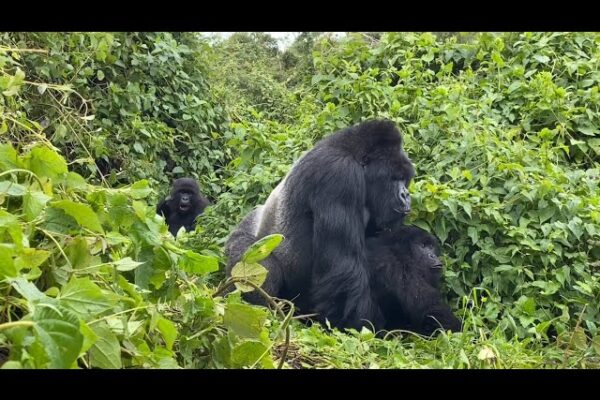
Gorillas are generally polygynous: a single dominant silverback leads a group (a troop or harem) and typically has mating priority with the adult females in his group. Courtship is subtle and largely behavioral, including gentle touching, close following, vocalizations, and scent-marking, rather than flashy displays. Females advertise fertility through a combination of behavioral cues and modest physical changes rather than the dramatic sexual swellings seen in some other primates, so mating often follows periods of close social bonding and mutual tolerance. When copulation occurs, it’s brief and functional; the silverback’s status, familiarity, and the female’s choice all influence mating opportunities, and lower-ranking males may obtain matings when the dominant male tolerates them or during periods of instability.
Reproductive timing and parental investment strongly shape gorilla social life. Gestation lasts about 8–9 months, and newborns are highly dependent. Mothers provide almost all direct care, while the silverback offers protection and social stability. Interbirth intervals are long (commonly 4–6 years), reflecting the high investment in a single infant and the slow pace of gorilla life history; females reach sexual maturity around their late single-digit years, and males later, when they become able to form or lead groups. Because a male takeover can put infants at risk, females sometimes mate strategically with incoming males to reduce infanticide risk and secure protection, demonstrating that gorilla mating is as much about social strategy and offspring survival as it is about reproduction itself.
The Best Places For Gorilla Watching
Volcanoes National Park (Rwanda)
Volcanoes National Park is the signature mountain-gorilla destination: well-managed, reliable, and home to multiple fully habituated gorilla families that visitors can track with experienced rangers. The park’s proximity to Musanze (Ruhengeri) makes logistics straightforward and allows for comfortable lodges, guided cultural visits, and easy day-trip planning. Treks vary from short walks to steep climbs, but the reward, close, respectful face-time with a silverback and his family, is unforgettable. Rwanda’s coordinated conservation tourism model channels permit revenue into community projects and protection efforts, making each visit directly valuable to gorilla survival.
Bwindi Impenetrable National Park (Uganda)
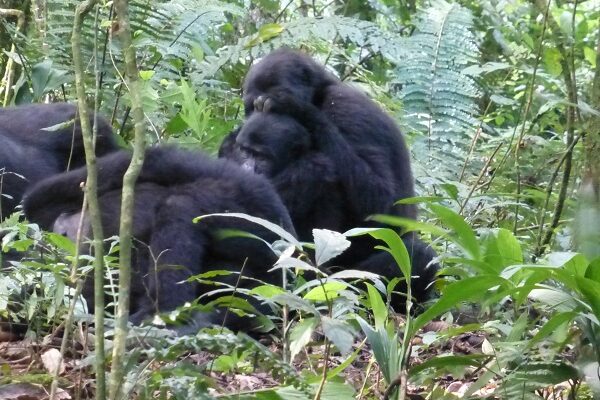
Bwindi protects one of the largest concentrations of mountain gorillas on Earth and offers the most diverse trekking experiences across multiple sectors. The park’s deep, mossy forest creates an intimate, cinematic setting: trackers guide small groups through steep ridgelines and tangled understory to habituated families, and some sectors also offer habituation experiences for longer, behind-the-scenes observation. Bwindi’s infrastructure supports a broad range of lodging from rustic community camps to luxury lodges, and its conservation programs are deeply integrated with local Batwa and farming communities. For travellers who want variety and a high likelihood of sightings, Bwindi is a top choice.
Mgahinga Gorilla National Park (Uganda)
Small, cloud-clad and volcanic, Mgahinga sits on Uganda’s border with Rwanda and the DRC and protects a transboundary mountain-gorilla group plus endangered golden monkeys. Because the park is compact, treks are often shorter and can combine volcano hiking, cultural Batwa walks, and birdwatching in a single day, ideal for travellers who want a concentrated, multi-activity experience. Mgahinga’s intimate scale means fewer crowds, powerful landscape views from volcanic slopes, and strong cultural interpretation by local guides, making it a peaceful complement or alternative to busier gorilla sites.
Virunga National Park (Democratic Republic of Congo)
One of Africa’s oldest parks, Virunga spans forests and volcanoes and protects a key segment of the Virunga mountain gorilla population. Trekking here is adventurous and highly rewarding: rugged trails, dramatic volcanic scenery (including active volcanoes on clear days), and a strong on-the-ground ranger presence shaped by decades of conservation under difficult conditions. Visitor numbers are controlled and fees support community programs and ranger teams; travellers should plan carefully because regional security and logistics can vary, but for those who make the trip, Virunga offers raw wilderness and powerful wildlife encounters.
Kahuzi-Biega National Park (Democratic Republic of Congo)
For eastern lowland (Grauer’s) gorillas, the largest of the gorilla subspecies, Kahuzi-Biega is the premier site. The park’s mosaic of lowland rainforest, bamboo, and montane forest supports a unique gorilla ecology and larger body sizes than mountain gorillas. Only a few habituated groups are open for visits, so encounters feel exclusive and scientifically significant; however, Kahuzi-Biega faces serious conservation pressures from habitat loss and illegal resource extraction, making visits both a privilege and a conservation statement. Travellers here contribute to urgent protection efforts for a critically important population.
Odzala-Kokoua & Nouabalé-Ndoki region (Republic of the Congo).
If you want western lowland gorillas and remote rainforest immersion, Odzala-Kokoua and the Nouabalé-Ndoki area offer world-class, low-density gorilla experiences in the heart of the Congo Basin. These parks feature lush lowland forest, “bai” clearings, and specialized safari camps that emphasize low-impact ecotourism and research partnerships; sightings tend to differ from mountain-gorilla treks (closer to the forest floor and often involving tracking through swampy terrain). Because these sites are remote, expect small-group, premium-priced expeditions that deliver deep conservation value and rare wildlife encounters.
Conclusion about How Do Gorillas Mate?
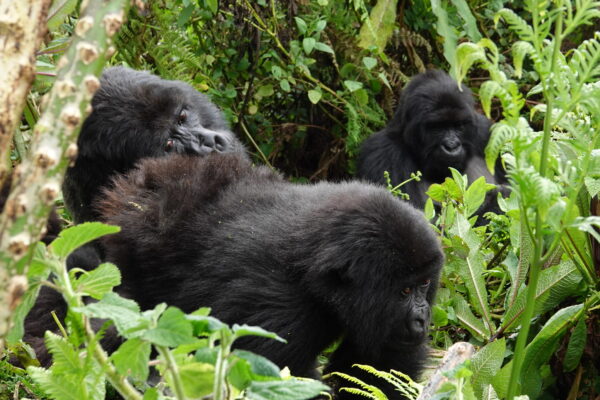
How Do Gorillas Mate is rooted in their social structure: most are polygynous, with a dominant silverback having mating priority while courtship relies on subtle social behaviors, gentle touching, close following, vocalizations, and scent cues, rather than flashy displays. When people ask How Do Gorillas Mate they should note the reproductive timing and investment: gestation is about 8–9 months, infants are highly dependent, and long interbirth intervals (4–6 years) mean females are selective and mating is tightly linked to offspring survival. Finally, How Do Gorillas Mate isn’t just about copulation but about protection, social bonds, female choice, and strategies (like mating with incoming males) that reduce infanticide risk and maintain group stability.