Julius Nyerere Airport: Facts, Photos, and Duty-Free Shops.
All You Need To Know About Julius Nyerere Airport
Julius Nyerere International Airport (DAR) is where most Tanzania safaris genuinely begin. Named after the country’s first president, the airport sits in Dar es Salaam and serves as the main gateway connecting travelers to Kilimanjaro, the Serengeti, and Zanzibar. It’s the largest and busiest airport in Tanzania, situated about 12 kilometers southwest of the city center, and functions as a major East African hub with more than 20 scheduled international airlines linking Dar es Salaam to destinations across Africa, Asia, Europe, and the Middle East. Julius Nyerere Airport is built around three terminals, each with a distinct role: Terminal 1 handles charter and private aviation, Terminal 2 serves domestic flights, and Terminal 3, which opened in August 2019, handles all international arrivals and departures. Travelers who’ve flown into Terminal 3 tend to come away pleasantly surprised; reviewers describe it as spacious, clean, and well-organized, with security that moves efficiently and an overall experience that feels notably smooth for the region.
For anyone we’re planning a Tanzania itinerary with, DAR is more than a transit point; it’s the practical starting line for the trip ahead. From here, most clients connect onward to Kilimanjaro International Airport for northern circuit safaris into the Serengeti and Ngorongoro Crater or take a short hop to Zanzibar for a beach extension after days in the bush; Dar es Salaam to Zanzibar City and Dar es Salaam to Kilimanjaro are among the most-used domestic routes out of the airport. It’s worth noting that Tanzania’s aviation infrastructure is in an active phase of investment; the Terminal 3 expansion has lifted the airport’s annual passenger capacity to around 9 million, alongside upgrades like e-passport gates and self-check-in kiosks, and there have been reports of longer-term plans for a much larger airport development outside the city, though that project’s timeline and impact on current flight routings weren’t consistently confirmed across sources at the time of writing. As with any international arrival point, we’d always encourage travelers to double-check their exact arrival terminal and any transit requirements with their airline closer to departure. Talk to JimJam Safaris about building your Tanzania arrival and onward connections, whether that’s a northern circuit safari, a Zanzibar beach finish, or a full East African combination, around a route through DAR that actually makes sense.
Julius Nyerere Airport (DAR): Explore facts, location, photos, terminals, duty-free shops, airlines, and travel tips for Tanzania’s busiest international airport
Julius Nyerere Airport is Tanzania’s largest and busiest airport, serving as the country’s primary international gateway. It is the best entry point for Dar es Salaam, southern Tanzania, and for connecting flights to Zanzibar.
Ready to plan your Tanzania safari from arrival to departure? JimJam Safaris can help you build a private itinerary around your flight schedule through DAR—connecting seamlessly to the Serengeti, Kilimanjaro, or a Zanzibar beach finish.
Julius Nyerere Airport Quick Facts
Julius Nyerere International Airport (IATA: DAR) is Tanzania’s largest and busiest airport, named after the country’s founding president. It’s operated by the Tanzania Airports Authority and serves as the primary hub for Air Tanzania and Precision Air. The airport first opened in October 1954 and has grown into a major East African connection point. It consists of three terminals: Terminal 1 for charter and private aviation, Terminal 2 for domestic flights, and Terminal 3 opened in 2019 for international traffic. The Terminal 3 expansion increased annual passenger capacity to 9 million, supported by modern e-passport gates and self-check-in kiosks. For safari travelers, this is typically the first stamp in the passport before heading toward Zanzibar, Kilimanjaro, or the northern safari circuit.
Julius Nyerere Airport Location
Julius Nyerere International Airport is located approximately 12 kilometers southwest of the business center of Dar es Salaam, Tanzania’s largest city and commercial capital. Its coordinates place it near the Kurasini and Kipawa areas, close enough to the city that transfers into downtown Dar es Salaam are generally quick compared to many major African airports. The airport’s proximity to the coast also makes it a convenient jumping-off point for travelers combining a Tanzania mainland safari with a Zanzibar beach extension, since domestic connections to Zanzibar City run frequently throughout the day. For clients arriving on long-haul international flights, this central positioning means less time lost to transfers and more time available for the safari itself, something worth factoring into itinerary planning, especially on tighter trip schedules.
Julius Nyerere Airport Photos
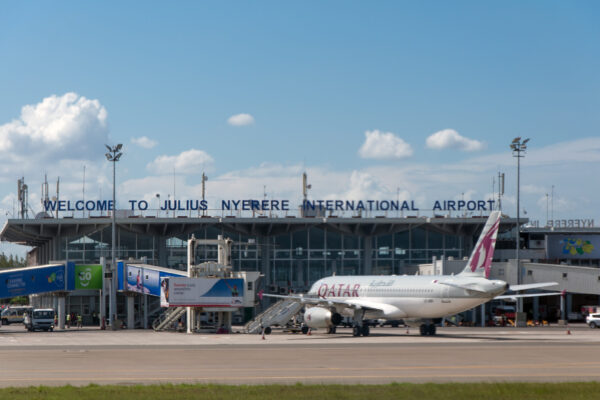
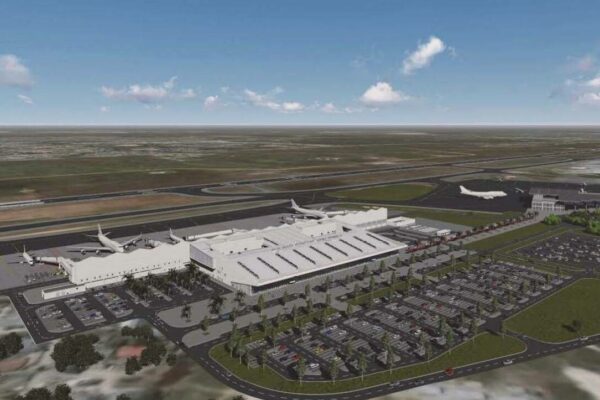
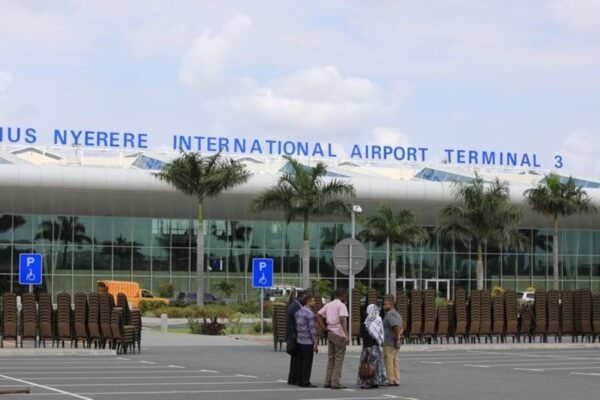
Here’s a look at the terminal and surrounding facilities travelers can expect on arrival.
Terminal 3, the newer international terminal, has a bright, contemporary feel with clean sightlines and efficient signage, a noticeable departure from older-generation African airports. Reviewers consistently describe it as well-designed and comfortable for the volume of traffic it handles. Terminal 1 and Terminal 2 retain a more compact, functional character suited to charter and domestic operations. For travelers heading onward to Kilimanjaro, the Serengeti, or Zanzibar, the airport’s layout is generally easy to navigate, with clear separation between arrivals, check-in, and departure areas, helpful for anyone managing tight connections between an international flight and a smaller domestic or charter hop.
Julius Nyerere Airport Duty-Free Shops
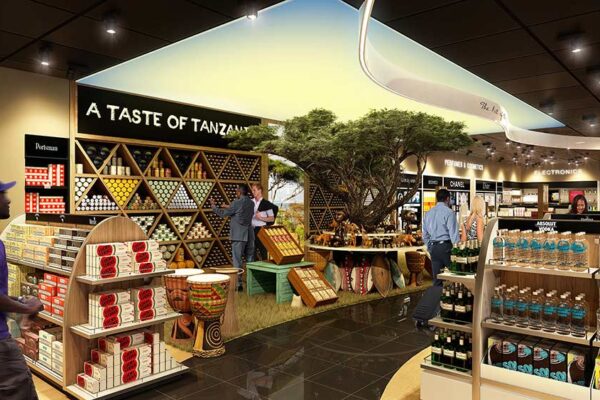
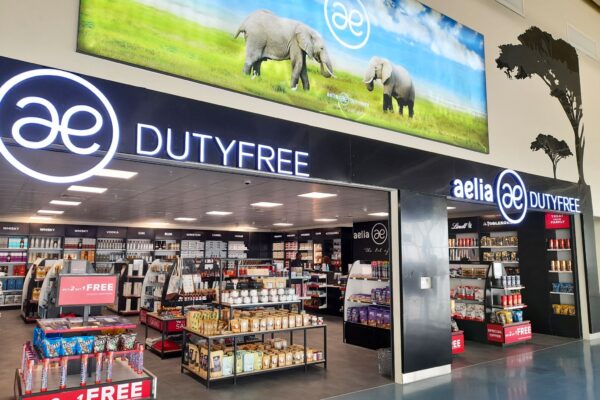
Terminal 3’s departure area includes duty-free retail alongside food and beverage concessions, giving travelers a place to pick up last-minute items such as spirits, tobacco, cosmetics, souvenirs, and Tanzanian coffee or tea before boarding. The selection is reasonably practical rather than extensive; travelers shouldn’t expect the scale of shopping found at major international hubs like Nairobi or Addis Ababa, but the essentials are covered. Retail and food services are generally described as adequate rather than outstanding, so travelers planning a longer layover may want to have a backup plan for entertainment. As with all duty-free purchases, allowances and restrictions depend on the traveler’s destination country, so it’s worth checking limits before buying.