Ngorongoro Conservation Area: Location, Fees, Photos, and Map
Ngorongoro Conservation Area Facts and Ecosystem
The Facts About Ngorongoro Conservation Area: Location, Fees, Photos, Ecosystem, and Map. Visit Northern Tanzania and Explore Diverse Ecosystems in Ngorongoro.
Ngorongoro is one of those places that makes people trade their city maps for contour lines and camera batteries, a UNESCO World Heritage landscape where dramatic geology and thriving wildlife sit in a jaw-dropping, perfectly framed bowl. The Ngorongoro Crater itself is the world’s largest intact volcanic caldera, a vast, green amphitheater dotted with soda lakes, forest patches, and sweeping grasslands that concentrate an extraordinary variety of animals in easy sight of each other; think elephants, lions, buffalo, leopards, and the rare black rhino alongside flocks of flamingos on Lake Magadi. For travelers from the US, Asia, or Europe who want a “big nature” experience without a week of crossover travel or long game drives, a day on the crater floor delivers cinematic wildlife sightings, dramatic light for photographers, and a deeply memorable first safari.
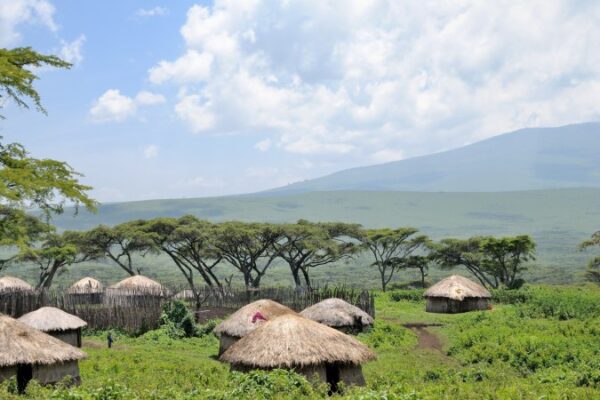
What makes Ngorongoro irresistible beyond the wildlife is the mix of culture, history, and convenience: semi-nomadic Maasai communities live and work in the conservation area under a unique multiple-use model, Olduvai Gorge, one of human evolution’s most important archaeological sites, is nearby, and a range of accommodations (from intimate camps to luxury lodges perched on the rim) means you can tailor the trip to family holidays, honeymooners, or small-group photographers. Combine a crater visit with a few days in the Serengeti for migration-focused travelers or add a guided rim walk and cultural visit for travelers who want context with their sightings. The result is an accessible, deeply photogenic East African stop that appeals to the adventurous spirit in every traveler, whether you’re coming from New York, Tokyo, or Paris.
All You Need to Know, According To Safari Experts
Ngorongoro Conservation Area Facts
Ngorongoro Conservation Area is a one-of-a-kind wildlife stage: a UNESCO World Heritage landscape (about 8,292 km²) whose crown jewel is the Ngorongoro Crater, the largest intact volcanic caldera on Earth. The crater formed 2–3 million years ago and drops roughly 600 metres to a diverse floor of grassland, forest, and a soda lake, concentrating huge populations of predators and prey in view of each other. It’s famous for dense wildlife viewing (including black rhino), archaeological sites nearby (Olduvai Gorge), and the unusual mix of people and wildlife living under a multiple-use conservation model.
Ngorongoro Conservation Area Location
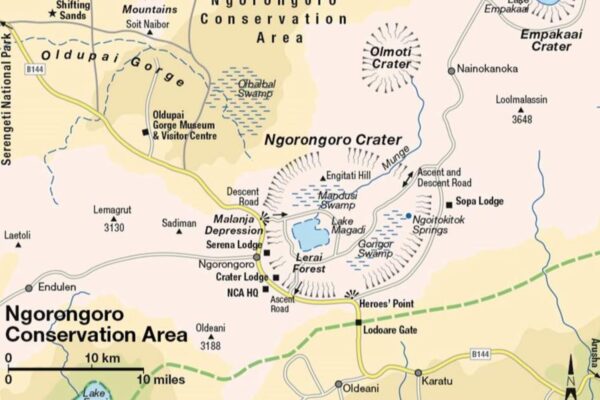
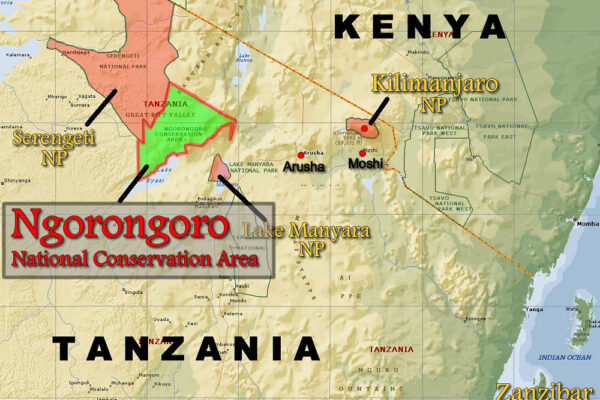
Ngorongoro sits on Tanzania’s northern safari circuit, west of Lake Manyara and southeast of the Serengeti, an easy loop from Arusha that makes it ideal for travelers from the US, Europe, or Asia wanting a compact, dramatic nature stop. The crater rim rises to around 2,300–2,400 m above sea level, while the floor sits near 1,800 m, giving cooler highland mornings and golden light that photographers crave. Most itineraries combine Ngorongoro with the Serengeti or Lake Manyara for migration or birding add-ons, so it works brilliantly as either a standalone day trip or a multi-day adventure hub.
Ngorongoro Conservation Area Fees
Entry and use fees change regularly and vary by nationality (Tanzanian, East African, and non-resident rates), activity (park entry, camping, special campsite, lodge concession fees), and age. The Ngorongoro Conservation Area Authority publishes tariffs that list USD rates for non-East African visitors and local TZS prices for citizens; lodges and permanent tented camps also pay concession fees. If you’re planning a trip, check the NCAA tariffs page for the exact current rates, and ask your operator whether fees (like crater entry, vehicle, and guide charges) are included in your package.
Ngorongoro Conservation Area Photos
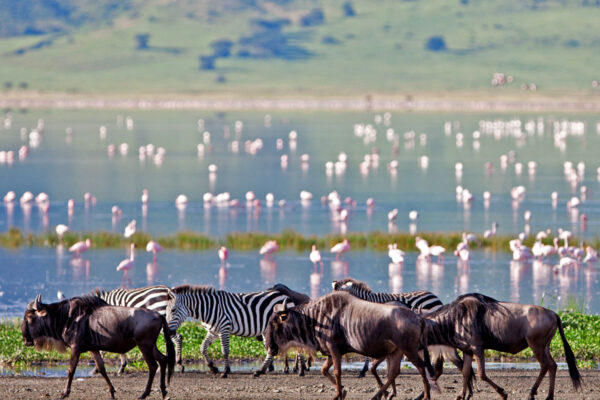
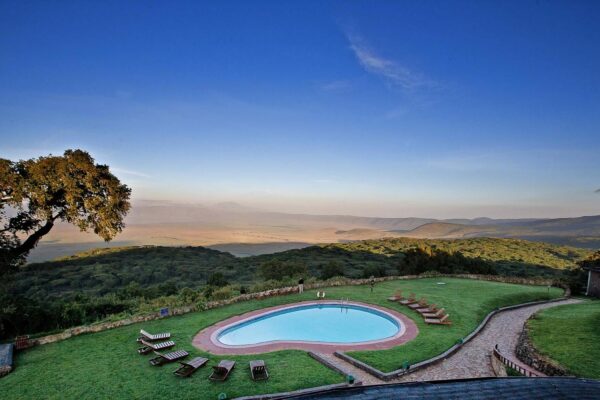
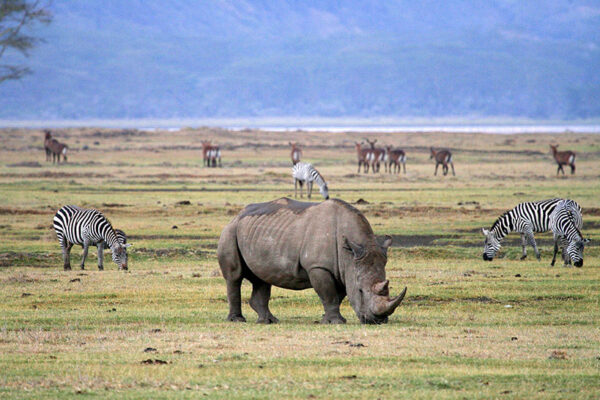
Photographers will find postcard after postcard: sunrise rim drives, solitary acacia silhouettes, flamingos on soda lakes, and intimate predator-prey scenes on the crater floor. Aerial and satellite imagery highlight the caldera’s perfect bowl and the patchwork of habitats, great for planning shot lists, while ground-level shots reward low light and patience. For dramatic vistas, bring a wide lens, and for wildlife, a 200–400 mm range; keep an eye on the weather (misty rim mornings clear into brilliant afternoons). Many stock and conservation sites host high-resolution crater and wildlife galleries for inspiration.
Ngorongoro Conservation Area Ecosystems
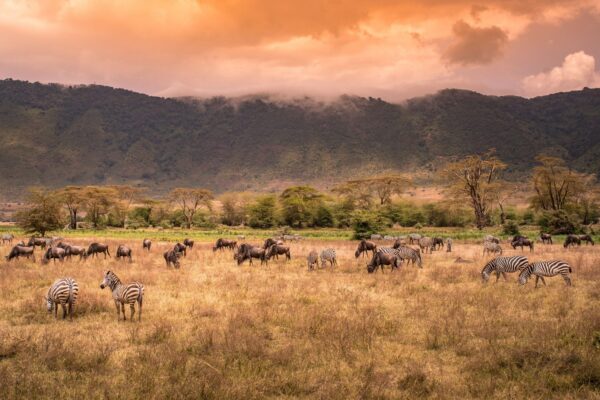
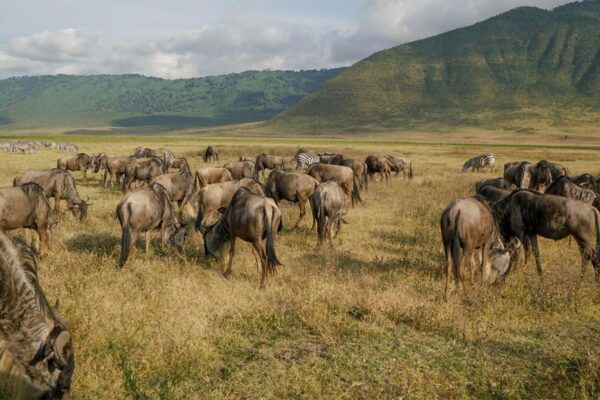
The crater floor is an ecological mosaic: open grasslands and springs, acacia woodlands, marshy soda lakes, and montane forest on the rim. These habitats support grazers (wildebeest, zebra, buffalo), browsers, large carnivores (lions, hyenas, leopards), and specialist species like flamingos at alkaline lakes. This concentration is driven by the crater’s natural topography and permanent water sources, which create year-round grazing pockets, a compact, reliable stage for both predator-prey dynamics and migratory stopovers, making Ngorongoro an ideal classroom for anyone keen on ecology in action.
Ngorongoro Conservation Area Map
Ngorongoro sits at the southeastern edge of the greater Serengeti ecosystem; maps show the crater, surrounding highlands, Olduvai Gorge to the south, and nearby parks like Lake Manyara. Detailed PDF maps and satellite mosaics help plan lodge locations (rim vs. valley), roads, and likely game concentrations, essential for photographers and short-stay travellers who want to maximize sightings in a limited time. Download a high-resolution map before you go and plot rim viewpoints, road access points, and emergency routes for a smooth, adventurous visit.
Ngorongoro Conservation Area Photo Gallery
The Best time to visit Ngorongoro Conservation Area
Go when the crater shows its face: For tip-top game viewing, plan for the dry months (June–October). Short grass and fewer watering points mean predators and plains herds are easier to spot, roads are firmer, and game drives run smoothly, perfect if you want reliable sightings and crisp, cool mornings (though expect higher prices and more visitors). If you prefer green scenery, fewer people, and lower rates, the quieter shoulder of April–May delivers lush crater walls, wildflowers, and superb birding.
The Worst Time to Visit Ngorongoro Conservation Area
Avoid the heavy-rain slog: The peak of the long rains (March–April) is the toughest time for safari logistics. Torrential downpours make crater roads muddy and sometimes impassable; tall grass can hide animals, and travel plans are more likely to be delayed, which is not ideal if your top priority is guaranteed game viewing. Even so, every season has its charms, but for first-time visitors wanting the “classic” Ngorongoro experience, steer clear of the main rainy months.