The Ultimate Packing List for Gorilla Trekking in Rwanda/Uganda
Gorilla Tracking Packing List Guide For First Timers
The Ultimate Packing List for Gorilla Trekking in Rwanda/Uganda. Essential Tips on What to Wear for Gorilla Trekking in Volcanoes/Bwindi/Mgahinga National Parks.
Set out on a once-in-a-lifetime adventure into the misty rainforests of Rwanda and Uganda with our Ultimate Gorilla Trekking Packing List. Whether you’re a luxury traveler, adventure-seeker, or budget backpacker, this guide ensures you pack smart for comfort, safety, and sustainability on your jungle trek. We cover every aspect: from must-have gear like rugged hiking boots and gloves, to attire tips for the wet, mountainous climate, plus gadgets like cameras and binoculars to capture wildlife.
Along the way, we highlight eco-tourism and cultural experiences that enhance your trip. Learn how to minimize your footprint with reusable water bottles and biodegradable supplies, and discover ways to connect with local communities, such as visiting villages near Bwindi or Volcanoes NP, for deeper insight into gorilla conservation. We also outline critical safety guidelines and park regulations (for example, guided treks with rangers, one-hour viewing limits, and health protocols to protect both you and the gorillas). With this comprehensive, trustworthy guide, you’ll be fully prepared to meet the mountain gorillas of Rwanda and Uganda with confidence and respect.
You may be wondering what to wear for gorilla trekking in Rwanda or Uganda. This page has the Packing List for Gorilla Trekking information, including what to carry and wear. Everything you’ll need, from the best clothing to shoes, should be on your packing list for gorilla trekking. Above all, comfortable gorilla trekking gear ensures that you will reach the specified gorilla family unscathed. You should prepare everything you’ll need for gorilla trekking in Uganda or Rwanda before visiting the park. Because of this, we guide you through the Packing List for Gorilla Trekking and all the requirements so you may obtain them before the climb.
What This Packing List for Gorilla Trekking Guide Offers
-
Essential Gear: Sturdy hiking boots with good traction, a durable backpack, and trekking poles for rough terrain. We also highlight protective items like gardening gloves and gaiters to shield against thorns.
-
Outfit Tips: Long-sleeved shirts and long pants for full coverage, and quick-dry fabrics to stay comfortable. Layer up with insulating fleeces or hats for cool mornings.
-
Luxury vs. Budget Advice: Renting equipment (rain ponchos, gaiters) can save money if you trek once, but high-quality gear is worth it for avid hikers. We suggest when to splurge (premium optics, extra baggage allowance) and when to save (hiring local porters, shopping at local markets for basics).
-
Eco-Friendly Choices: Pack a reusable water bottle and biodegradable toiletries to leave no trace. We remind you of rules like avoiding plastics and sticking to trails so you help protect the gorillas’ fragile habitat.
-
Cultural Insights: Prepare to engage respectfully with communities around the parks. We cover how items like simple gifts or modest clothing can enrich village visits. As safari experts note, local people “have become guardians of these endangered primates” through their traditions.
-
Safety & Regulations: Know the rules before you trek. Our guide reviews permits, health precautions (masks, distance), the one-hour viewing limit, and other regulations to ensure a secure encounter.
Secure Your Gorilla Trekking Permit First
Detailed Packing List for Gorilla Trekking in Uganda/Rwanda
Must-Have Gear for the Jungle
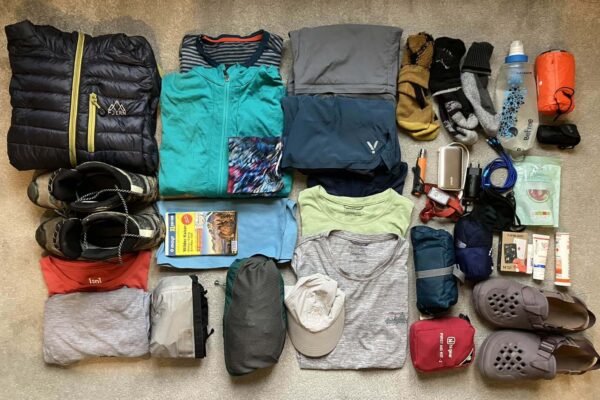
For any gorilla trek, you need serious, reliable equipment. A waterproof, ankle-support hiking boot is crucial for muddy, steep trails. Pack a daypack to hold water, snacks, and cameras. Consider hiking poles for stability on uneven ground. Gardening-style gloves will protect your hands from thorny vines. Other essentials include reusable water bottles (to stay hydrated) and high-calorie energy snacks. If you need help, know that porters are available in Uganda and Rwanda to carry gear and assist on steep sections.
What to Wear for Comfort and Safety
You’ll want clothing that shields you from both the elements and the forest. Long-sleeved, moisture-wicking shirts and long pants are ideal; they protect against nettles, insects, and sun. Choose neutral, earthy colors (khaki, olive, gray) so you blend in; avoid bright or black clothes that attract tsetse flies. Layer up with a warm fleece or pullover for cool mornings. Waterproof jackets and rain pants are a must year-round – afternoon showers are common even in the dry season. Pack a warm hat and gloves too, since high altitudes can be chilly. Don’t forget thick socks; tuck your pant legs into them to prevent insect bites. Finally, protect yourself from the sun and bugs: bring a wide-brim hat, SPF sunscreen, and strong insect repellent, and carry plenty of water to stay hydrated.
Luxury vs. Budget Packing Tips
Whether you’re splurging or saving, there are smart choices to make. Luxury travelers might bring full camera rigs, satellite communications, or extra luggage with gourmet snacks, and can hire private guides and porters. Budget trekkers can rent key items like rain gear and gaiters in-country, or shop at local markets (Kigali, Entebbe) for low-cost ponchos and caps. Porters in Uganda and Rwanda are very affordable; hiring one is a great way to conserve energy without overspending. Our guide helps you weigh buying vs. renting gear and decide which extras to pack (for example, bringing your own water purification versus relying on boiled water). No matter your budget, we show you how to prioritize: a solid pair of boots and a raincoat come first, then add layers of luxury or simplicity as your plans allow.
Eco-Conscious Choices
Responsible gorilla trekking means respecting the forest. We advise packing items that reduce waste: reusable water bottles and cloth snack bags instead of disposable plastic, and biodegradable soap and sunscreen. Embrace the “leave no trace” ethos: carry out all trash, and choose products that won’t harm plants or animals. We also highlight etiquette to safeguard gorillas: for example, avoid fragrances or food while on trek, and always stay on designated trails. As Rwanda’s strategy notes, authorities emphasize environmental sustainability and conservation, which “adds an extra layer of protection” for gorillas. By making eco-conscious packing choices, you support that mission and help ensure that these forests, and their gentle giants, thrive for years to come.
Cultural Experiences
Gorilla trekking isn’t just about wildlife; it’s also a journey through local culture. This guide covers how to respectfully engage with communities. For instance, bringing small gifts for Batwa or rural families (e.g., beads or educational materials) and dressing modestly when visiting villages shows respect. Many travelers enjoy optional hikes on the Virunga volcanoes or visits to cultural centers, so we note special items for those activities. As safari experts explain, meeting villagers and trackers around Bwindi and Mgahinga can “unlock deeper layers of understanding about conservation, tradition, and human-wildlife coexistence. We’ll help you pack an open mind and any practical items (like a phrasebook or donations) so you can make the most of these enriching cultural connections.
End of your Packing List for Gorilla Trekking