Samburu People: Facts, Origin, Tribe, Religion, and Culture.
Get To Know The Samburu People of Kenya
Explore the Samburu people’s origin, tribe, religion, culture, language, and heritage in Kenya, including their pastoral life, beadwork, and rich traditions. The Samburu people are a proud Nilotic community of north-central Kenya, known for their semi-nomadic pastoral way of life and close ties to cattle, goats, sheep, and camels.
They live in the arid and semi-arid lands where mobility, livestock, and strong communal bonds are central to survival and identity. Their language belongs to the Maa language family, which connects them to other Maa-speaking peoples of Kenya and Tanzania.
What makes the Samburu especially captivating is the way tradition still shapes daily life. Their beadwork, dress, ceremonies, oral traditions, and elder-led social structure all reflect a culture built on respect, beauty, memory, and resilience. Cattle remain deeply important not only for food and livelihood, but also for social value and ritual meaning. For travelers and cultural learners alike, the Samburu offer a vivid window into one of East Africa’s most distinctive living heritage communities.
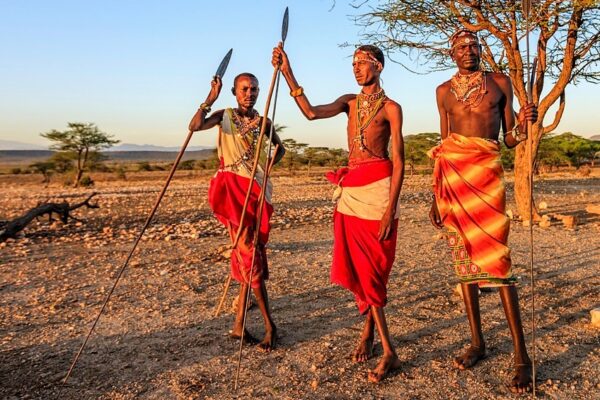
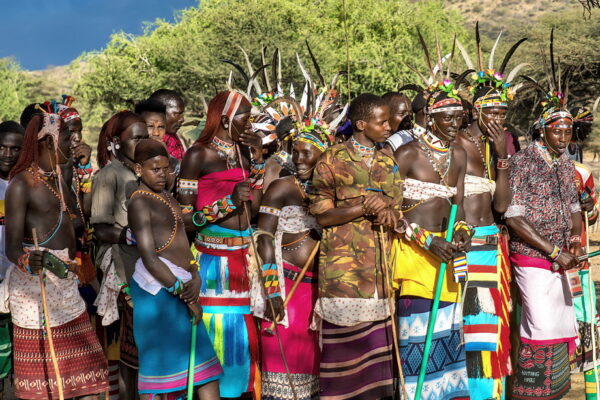
Samburu People Facts
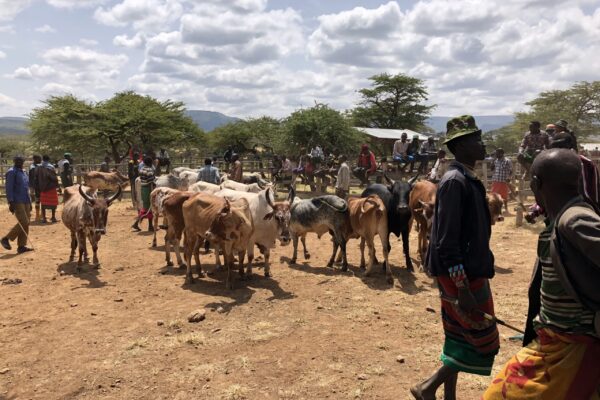
The Samburu are most often described as a pastoral people living in north-central Kenya, especially in Samburu County and the surrounding drylands. Their economy traditionally centers on livestock, and their culture places a high value on cattle as a measure of wealth and a symbol in family life. Their speech is part of the Maa language group, and their customs are closely tied to seasonal movement, livestock care, and community authority. These are not just historical traits; they remain central to how Samburu life is understood today.
Samburu People Origin
The Samburu trace their roots to a wider Maa-speaking pastoral world that moved into northern Kenya from the north, and scholarly work describes their identity as having formed gradually over time. Some Samburu traditions place their ancestral homeland far to the north, while academic research places the clearer emergence of Samburu identity in 19th-century northern Kenya. Taken together, these accounts show a people shaped by migration, adaptation, and long-term settlement in the harsh landscapes where they built a distinct pastoral culture.
Samburu People Tribe
The Samburu tribe is closely related to the Maa-speaking pastoral groups in East Africa. Their language is part of the same larger Maa family as the Maasai and Chamus. Their social life has long revolved around livestock, age-set organization, and the authority of elders, which gives the community a clear structure and a strong sense of continuity. This tribal identity is both pastoral and deeply cultural, combining movement across drylands with rules, rituals, and shared memory that keep the community tightly connected.
Samburu People Religion
Traditional Samburu religion centers on Nkai, a divine creator associated with blessing, protection, and spiritual power. Samburu people have long prayed to Nkai and offered sacrifices, and some sacred places, such as mountains and natural sites, are linked to divine presence. Religious life also includes ritual specialists and elders who help interpret misfortune, healing, and social balance. This spiritual system is closely tied to daily life, showing how belief, morality, and community authority work together in Samburu thought and practice.
Samburu People Culture
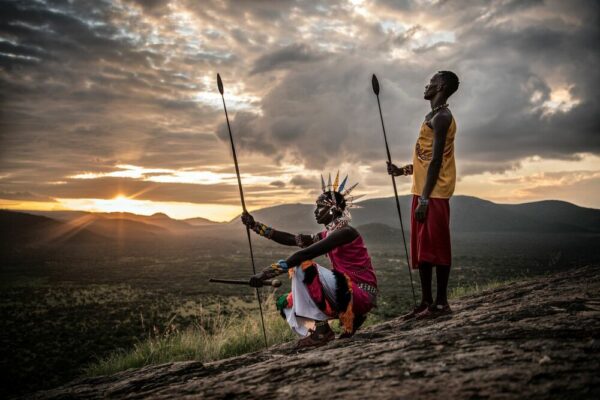
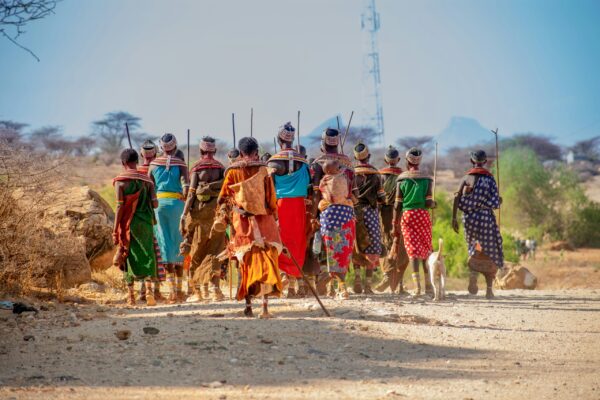
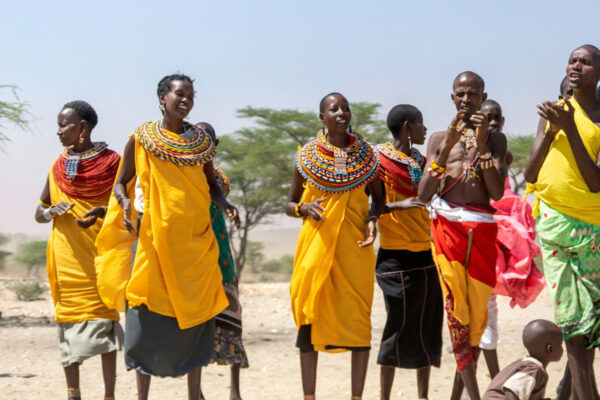
Samburu culture is rich in color, ceremony, and symbolism. Cattle hold immense cultural importance, beadwork carries meaning about age and status, and elders play a major role in decision-making and social order. Traditional dress, ornaments, oral storytelling, music, and dance all help preserve identity across generations. Much of Samburu heritage is passed down through spoken tradition rather than writing, which makes cultural memory especially important. The result is a living culture that remains visible, expressive, and deeply rooted in both land and community.