The Source of River Nile in Uganda, Facts, Location, Start, and End
The Source of River Nile: (All You Need to Know)
The Source of River Nile in Uganda, Facts, Location, Start, and End. Learn about the Essential Facts about the Source of River Nile, the Longest River in the World.
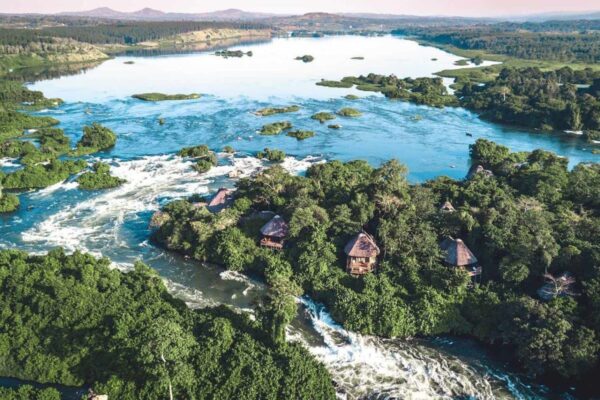
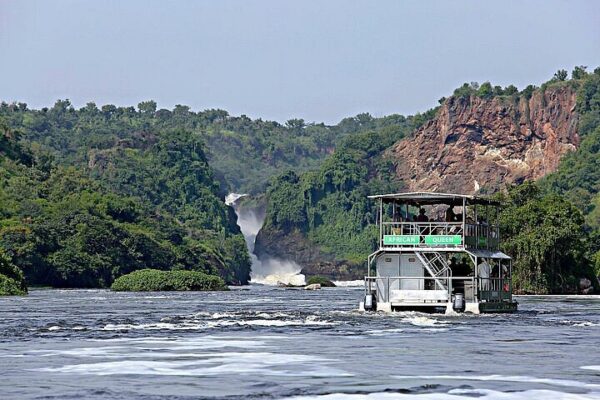
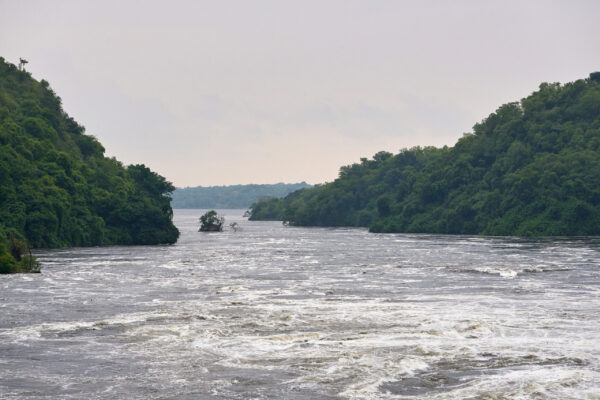
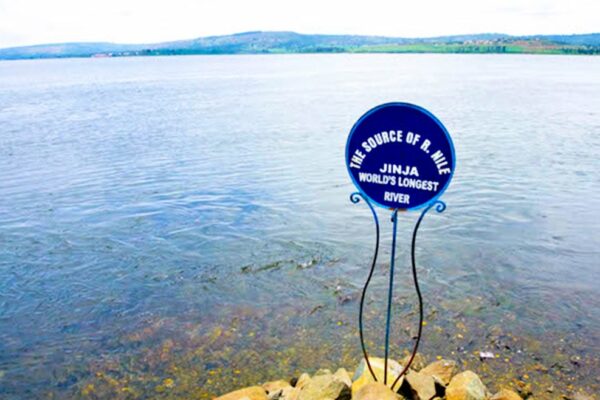
Find the birthplace of a legend: the Source of River Nile is where myth, history, and wild beauty collide. Traditionally identified as Lake Victoria, the vast, shimmering lake shared by Uganda, Kenya, and Tanzania, it’s long been celebrated as the Nile’s starting point. From Lake Victoria, the river slips north through papyrus-fringed wetlands, past misty waterfalls and fertile plains, carrying life and stories across East Africa on a journey that eventually meets the Mediterranean. For travelers and storytellers alike, the scene is cinematic: fishermen in dugout canoes, sunrises that set the water alight, and the sense that you’re standing where one of the world’s great waterways first gathers itself.
For the curious and the adventurous, there’s an intriguing scientific footnote: hydrologists trace the Nile’s most distant headwaters to tributaries of the Kagera River, rivers that spring from the highlands of Rwanda and Burundi, meaning the “ultimate” source can be pinpointed to a remote mountain spring rather than the lake’s open shore. That blend of mystery and measurable fact makes the Nile’s origin both a pilgrimage and a puzzle: visit historic sites tied to explorers like John Hanning Speke, hike to hidden springs, support local conservation efforts, and witness firsthand how a trickle high in the hills becomes a river that shaped civilizations. It’s not just geography, it’s a living story you can walk into.
Facts About the River Nile
The River Nile is Africa’s longest and one of the world’s most iconic rivers, a vital artery that has sustained human societies for millennia. Flowing north through varied landscapes, it supports agriculture, commerce, and diverse ecosystems across multiple countries. Two principal tributaries, the White Nile and the Blue Nile, converge at Khartoum, producing the great Nile that reaches the Mediterranean. Historically, the Nile’s predictable floods nourished ancient Egyptian civilization, enabling monumental architecture and complex societies. Today, the river remains central to regional economies, cultural identities, and environmental challenges such as water management, dam projects, and biodiversity conservation. Today.
Location of the River Nile
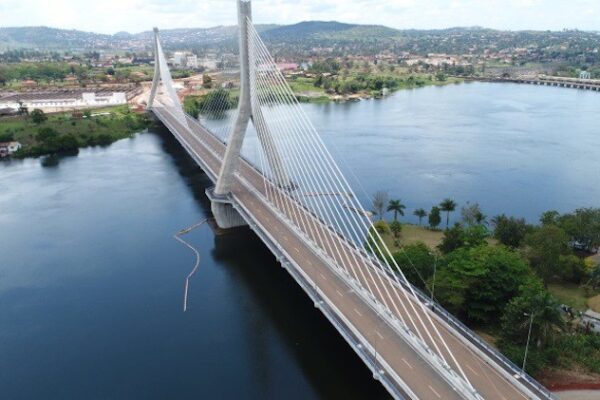
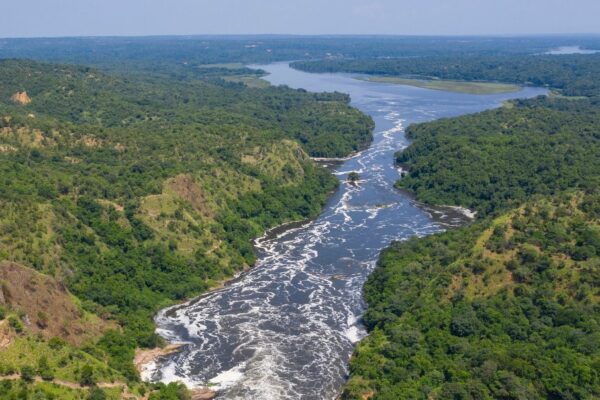
The Nile runs through northeastern Africa, beginning in the African Great Lakes region and flowing northward to the Mediterranean Sea. Its basin spans eleven countries, including Uganda, South Sudan, Sudan, Ethiopia, and Egypt, and touches parts of Tanzania, Kenya, Rwanda, Burundi, and the Democratic Republic of Congo. Along its route, the Nile traverses highland lakes, swamps and marshes, expansive floodplains, arid deserts, and the broad Nile Delta. Major urban centres such as Jinja, Khartoum, and Cairo grew along its banks. This transnational river shapes climates, economies, and human settlements, and it deeply influences regional culture. Across a huge geographical range.
Where Does the River Nile Start?
The Nile’s beginnings are complex and distributed among multiple headwaters in Africa’s Great Lakes region. Hydrologically, the White Nile is often traced to Lake Victoria, which receives inflow from feeder rivers such as the Kagera, whose most distant headstreams lie in Burundi and Rwanda. Meanwhile, the Blue Nile rises from Lake Tana in Ethiopia and contributes the majority of the Nile’s silt and floodwater during rainy seasons. Because these tributaries originate in different countries and elevations, the Nile lacks a single universally agreed ‘start’ point; instead, it springs from an interconnected network of lakes and rivers, including mountain headwaters upstream.
Where Does the River Nile End?
The Nile completes its long northward journey by emptying into the Mediterranean Sea through a broad, fertile delta in northern Egypt. Before reaching the sea, it passes major infrastructure such as the Aswan High Dam, which creates Lake Nasser and manages seasonal flows for irrigation, hydroelectric power, and flood control. Historically, annual floods deposited rich alluvial soils across the delta, sustaining dense agriculture and ancient civilizations. Modern dams and sediment retention have changed deposition patterns and coastal dynamics, affecting fisheries, soil replenishment, and delta stability for communities that depend on the river’s final stretch; it continues to shape local livelihoods.