
Sudd Wetland: Facts, Animals, Climate, People, and Geography
The Sudd Wetland Guide in South Sudan
Sudd Wetland: Facts, Location, Animals, Climate, People, and Geography. Discover Things To Do and The Best/Worst Time To Visit Sudd Wetland in South Sudan, Africa. The Sudd Wetland is a breathtaking expanse of freshwater marsh and riverine forest in South Sudan, one of the largest wetlands on the planet, where the White Nile slows into a shifting mosaic of channels, lagoons, and papyrus islands. Its seasonal floods create a living hydrological sponge that moderates flow downstream, replenishes soils, and sustains fisheries and grazing for thousands of riverine communities.
The Sudd’s vast, quiet landscapes and ever-changing waterways offer a uniquely amazing nature experience: endless reflections, slow boat journeys through green cathedrals of papyrus, and a sense of scale and solitude you rarely find elsewhere.
The Sudd is home to important wildlife; hippos and crocodiles relax in its waters, elephants and antelope roam its floodplains, and thousands of different water birds, including those that migrate, gather there. For conservationists and eco-travelers, it’s a prize: a place for impactful conservation work, community-led tourism, and scientific discovery. Protecting the Sudd means protecting livelihoods, biodiversity, and one of Africa’s most spectacular freshwater wildlands, an invitation to invest in nature that benefits people and the planet alike.
Sudd Wetland Facts
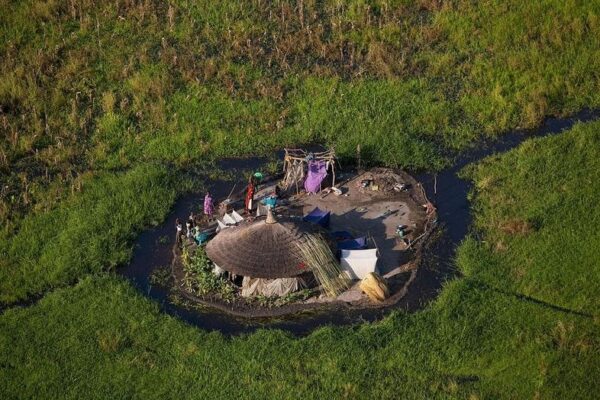
The Sudd Wetland is one of Africa’s most remarkable natural systems and is widely recognized as the largest tropical wetland in the world. It lies in South Sudan, along the lower reaches of the Bahr el Jebel/White Nile, and its size changes sharply with the seasons because floodwater spreads across the plain. A major Nile Basin monograph places it at about 60,000 km², with wet-season expansion of around 50%, while UNESCO notes its importance as a Ramsar-listed wetland and one of the continent’s greatest ecological treasures. It also supports major water regulation and filtering functions.
Sudd Wetland Animals
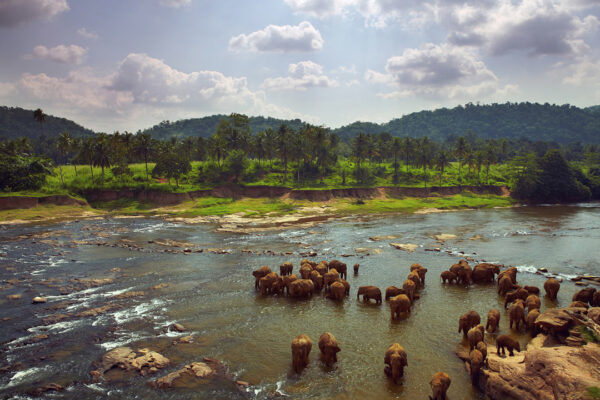
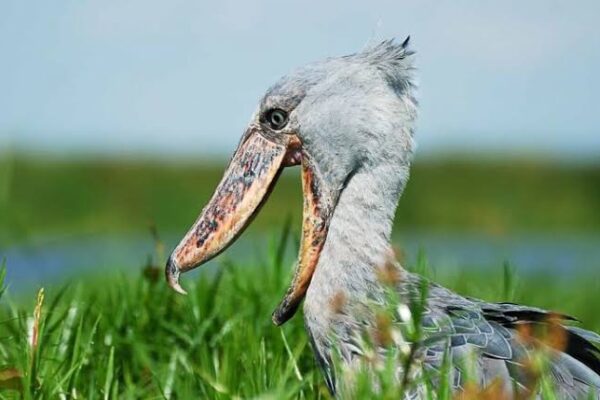
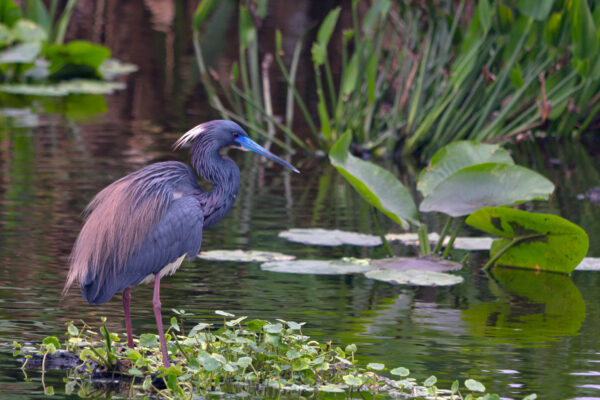
The Sudd is a wildlife stronghold, especially for birds, wetland mammals, and water-dependent species. UNESCO highlights the tiang migration and the largest African population of the globally threatened shoebill, while other commonly associated species include Nile lechwe, white-eared kob, buffalo, sitatunga, hippopotamuses, and Nile crocodiles. The wetland also acts as a major refuge for migratory birds moving across Africa and beyond. Because the ecosystem combines swamps, channels, lagoons, and floodplains, it supports a wide range of habitats that keep wildlife abundant even in a harsh landscape.
Sudd Wetland Climate
Tropical wet and dry seasons shape the climate around the Sudd, with the movement of the Intertropical Convergence Zone controlling rainfall. The wetland receives water from the Bahr el Jebel and direct rainfall, and the northern part experiences one wet season from about May to October, followed by a dry season from November to April. Rainfall varies widely across the region, commonly falling in the 600–1,000 mm range, while evaporation is very high and can remove about half of the inflow. That combination makes the wetland highly dynamic.
Sudd Wetland People
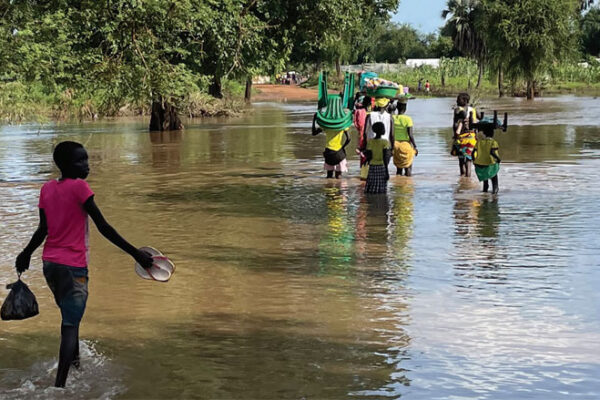
The Sudd is not only an ecological zone; it is also home to more than one million people whose livelihoods depend on its resources. The Nile Basin monograph says the wetland provides food, freshwater, building materials, and medicinal products while also supporting fishing, livestock grazing, and other rural livelihoods. UNESCO notes the strong cultural connection between the wetland and communities such as the Nuer, Dinka, Shilluk, and Anyuak, whose ways of life are closely adapted to the flood cycles and seasonal rhythms of the landscape. This makes the Sudd both a natural and cultural landscape.
Sudd Wetland Geography
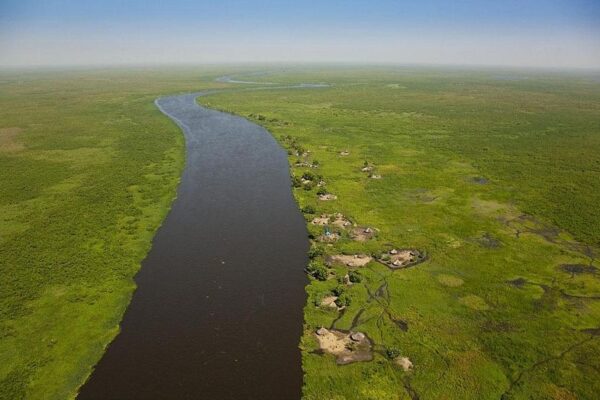
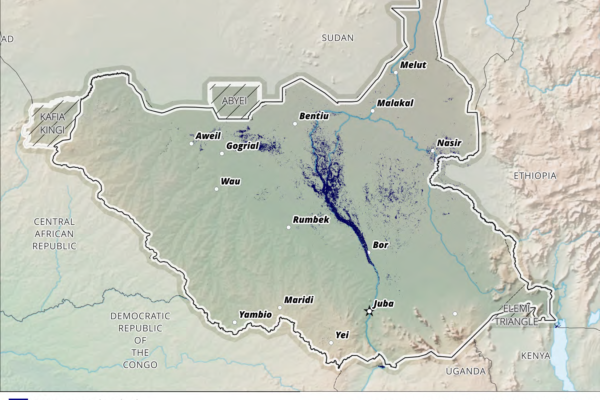
Geographically, the Sudd sits in the heart of South Sudan’s broad clay plains, where the Nile system fans out into a huge network of channels, lagoons, marshes, and flooded grasslands. Britannica describes the Sudd as occupying the central swampy core of South Sudan, draining the country’s interior from south to north via the Nile. The wetland stretches from Mongalla in the south toward Malakal in the north, with the Bahr el Zeraf branching off and the Bahr el Ghazal joining in from the west. The landscape is very flat, which is why flooding spreads so widely.
Sudd Wetland Map
On a map, the Sudd appears as a vast inland wetland in north-central South Sudan along the White Nile corridor. It forms a long, low-lying floodplain stretching north from the Mongalla area toward Malakal, with the Bahr el Jebel as the main flow line and the Bahr el Ghazal linking in from the west. The monograph also notes that the wetland’s exact boundary is difficult to define because it changes with river discharge and rainfall, so different studies map it somewhat differently. That is why the Sudd is best understood as a shifting wetland system rather than a fixed-edged shape
Things To Do in Sudd Wetland
The best things to do in the Sudd Wetland center on slow, nature-based exploration: take a boat journey through papyrus channels, watch for shoebills and other water birds, and photograph the shifting maze of lagoons, grasses, and floating vegetation that makes the wetland so distinctive. UNESCO describes the Sudd as a large freshwater area with changing water levels, lots of birds, and villages that depend on fishing and seasonal activities, so visiting these villages and experiencing the local culture can also be important parts of your trip. The wetland’s ecology and local livelihoods make it ideal for birdwatching, river travel, fishing, and cultural photography.
Best and Worst Times to Visit the Sudd Wetland
In practice, the best time to visit the Sudd Wetland is the dry season, roughly November to March, when access is easier and travel conditions are less punishing; this recommendation is an informed travel judgment based on seasonal rainfall patterns and road conditions in South Sudan. The hardest time is the main wet season, roughly April to October, when the wetland expands dramatically, flooding increases, and travel on land can become very difficult. That said, the wet season also yields the fullest water landscape and the strongest floodplain character, so it is beautiful for boat-based viewing, even if it is less convenient.