
The Surma Tribe: All Facts, Culture, Language, Women and Men
Surma Tribe Facts (Ethiopia Omo Valley)
The Surma (also called Suri) are a group of agro-pastoral communities living in the remote Lower Omo Valley of southwestern Ethiopia, near the South Sudan border. They are part of the Surmic language family and closely related to the Mursi and Me’en groups. Their population is relatively small and spread across isolated rural settlements, which has helped preserve their traditional lifestyle. The Surma depend mainly on cattle herding, farming sorghum and maize, and seasonal migration for grazing land. Cattle are central to their economy, culture, and social status, symbolizing wealth, identity, and survival in a challenging environment.
Surma Tribe Culture
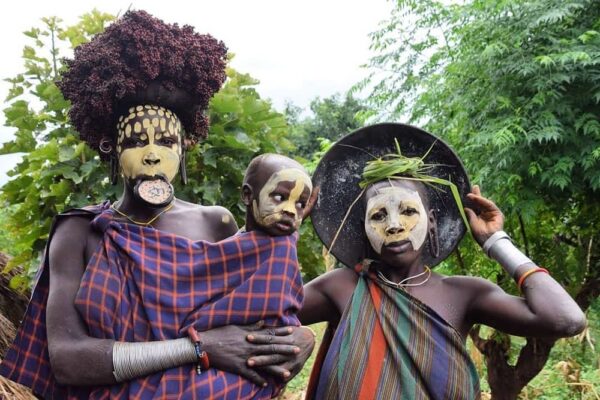
Surma culture is deeply rooted in community traditions, ritual practices, and strong social identity. One of the most famous cultural expressions is Donga (stick fighting), a ceremonial contest among men used to demonstrate bravery, strength, and social standing. These events are also linked to marriage and community recognition. The Surma also have a strong belief system centered around nature and ancestral spirits, with minimal formal hierarchy. Society is largely egalitarian, with elders playing advisory roles rather than centralized authority. Body decoration, dance, and oral storytelling are also key cultural elements that preserve history and identity across generations.
Surma Tribe Language
The Surma people speak languages belonging to the Southeast Surmic branch of the Nilo-Saharan language family. These include dialects such as Suri, Chai, Timaga, and Baale, which vary slightly between subgroups but remain mutually connected culturally. Language is primarily oral, with limited written tradition, especially in rural areas. Communication is deeply expressive, often supported by gestures, songs, and ceremonial speech during rituals and community gatherings. While some Surma individuals also learn Amharic (Ethiopia’s official language), daily life in rural areas still relies heavily on indigenous Surma languages for identity and cultural continuity.
Surma Tribe Women
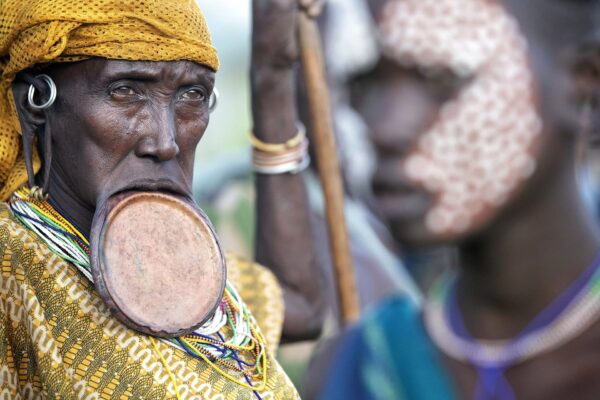
Surma women are globally known for their distinctive body art traditions, especially lip plates, which are inserted after the lower lip is stretched following tooth removal. This practice is traditionally linked to beauty, maturity, and social identity, although not all younger women continue it today. Women also practice elaborate scarification and body painting, using natural pigments, clay, and plant extracts to create decorative patterns on their skin. Beyond aesthetics, Surma women play a vital economic role, managing households, cultivating crops, and contributing to food production while maintaining strong influence in daily family life.
Surma Tribe Men
Surma men are primarily responsible for cattle herding, protection of livestock, and participation in community defense. A defining aspect of male culture is Donga stick fighting, a highly respected ritual that builds reputation, courage, and social recognition, especially in relation to marriage eligibility. Young men undergo strict age-grade systems, where they transition from herders to community decision-makers through ceremonial rites. Men also engage in cattle raids, negotiations, and leadership discussions within assemblies of elders. Physical strength, bravery, and loyalty to the community are highly valued traits in Surma male identity.
Why Visit the Omo Valley in Ethiopia?
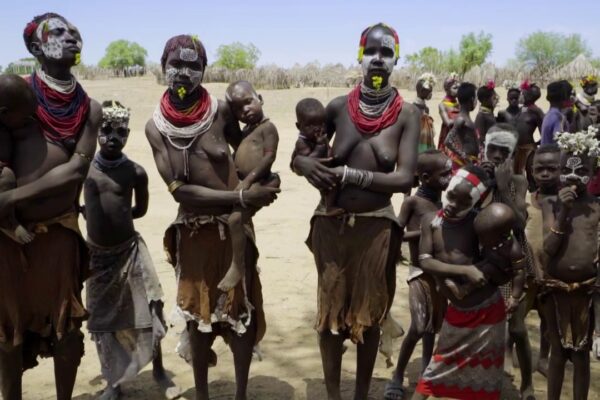
The Omo Valley is not a typical tourist destination; it is a cultural expedition. Travelers come here to witness centuries-old traditions still practiced today, from ceremonial dances to tribal markets and pastoral lifestyles. The region is also rich in dramatic landscapes, including river valleys, savannah plains, and rugged highlands.
Most visitors explore the region through guided Ethiopia Omo Valley tours, usually starting from Addis Ababa and connecting through Jinka, Turmi, and Mago National Park. These journeys combine cultural immersion with adventure travel, making it ideal for photographers, anthropologists, and curious explorers.
Cultural Experiences in Omo Valley Tours
A trip to the Omo Valley is more than sightseeing, it is participation in living culture. Visitors may experience:
- Traditional tribal markets like Key Afer
- Ceremonial dances and rituals
- Body art and scarification traditions
- Daily village life and cattle herding
- River crossings and remote village visits
These experiences are usually arranged through local guided Ethiopian cultural tours, ensuring respectful and ethical interactions with communities.