Where is Zimbabwe? Country Profile and All You Need To Know
Exclusive Facts About Zimbabwe
Where is Zimbabwe? Country Profile and All You Need To Know. Explore Zimbabwe’s Top Attractions with JimJam Safaris and Tours Africa. Visit Victoria Falls & More.
Zimbabwe is a country of dramatic contrasts and unforgettable experiences, from the thunderous roar and mist of Victoria Falls, one of the world’s most spectacular waterfalls, to the ancient stone artistry of the Great Zimbabwe ruins, a UNESCO World Heritage Site that speaks to a rich pre-colonial history. Its national parks, Hwange, Mana Pools, and Matobo among them, offer world-class safari encounters with healthy populations of elephants, lions, and a remarkable diversity of birdlife, while the Zambezi and Limpopo rivers create scenic corridors for canoeing, fishing, and photographic safaris. Visitors find warm, music-filled cities and towns where Shona and Ndebele cultural traditions, contemporary art, and vibrant craft markets mingle with modern cafes and boutique lodges, making Zimbabwe an accessible, rewarding destination for travelers seeking both adventure and cultural connection.
Beyond tourism, Zimbabwe presents compelling opportunities for business and purposeful engagement: fertile agricultural land, well-established mining sectors (notably gold and platinum), and a growing creative and hospitality industry are all foundations for long-term growth. Local entrepreneurs, conservation organizations, and social enterprises are increasingly partnering with international investors on sustainable projects that balance economic return with community benefit and environmental stewardship. Whether you’re visiting for spectacular landscapes and wildlife, sourcing authentic crafts and coffee, or exploring impact-driven investment and partnership opportunities, Zimbabwe offers depth, resilience, and a uniquely memorable experience that rewards curiosity and commitment.
Explore The Top Attractions in Zimbabwe
Victoria Falls
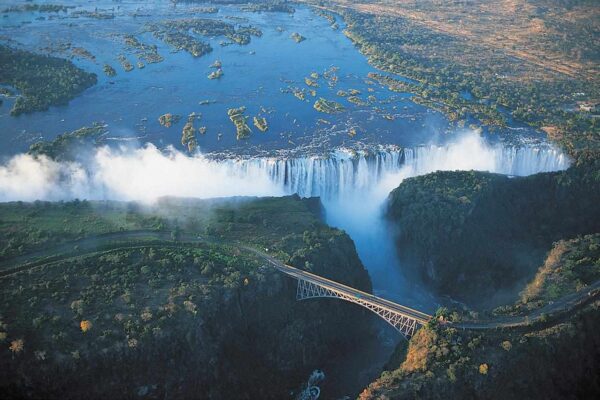
locally called Mosi-oa-Tunya, “the smoke that thunders”, is Zimbabwe’s crown jewel: an immense, UNESCO-listed cataract on the Zambezi River that roars across a 1.7-kilometre curtain of water and sprays mist for miles. Visitors wander rainforest-lined paths on the Zimbabwean side for dramatic viewpoints, cross the historic Victoria Falls Bridge for sweeping panoramas, take sunset cruises on the Zambezi upstream, or test their nerve with bungee, zipline, or helicopter flights above the gorge. The falls’ seasonal moods, from thunderous high-water power to tranquil low-water rock formations, create unforgettable photo opportunities year-round. Local guides and craft markets enrich visits, too.
Great Zimbabwe
The largest and most evocative archaeological site in sub-Saharan Africa, built of dry-stone walls and towers between the twelfth and fifteenth centuries by ancestors of the Shona people. The Great Enclosure’s soaring, mortarless walls and carved soapstone Zimbabwe Birds symbolize a sophisticated pre-colonial polity that controlled inland trade in gold and ivory to the Indian Ocean coast. Exploring the Hill Complex, Valley Ruins, and the interpretive museum reveals craftsmanship, social hierarchy, and ritual life. Today, the monument inspires scholarly research, cultural ceremonies, and national pride, and archaeological work continues to reveal new insights for visitors and scholars.
Hwange National Park
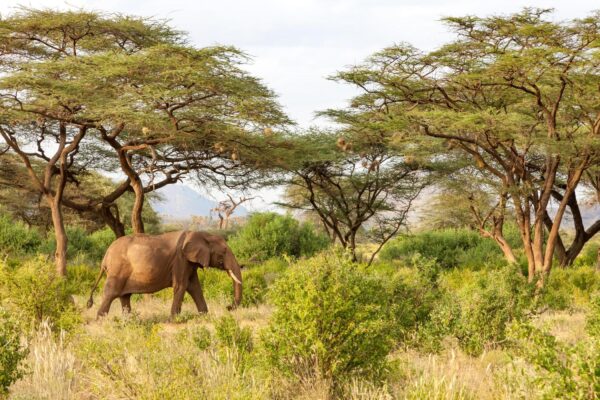
Zimbabwe’s largest reserve and a classic safari destination known for huge elephant herds, prolific birdlife, and diverse habitats from mopane woodland to open grassland. Morning and evening game drives reveal lions, spotted hyena, buffalo, giraffe, and rare wild dog, while dry-season waterholes concentrate animals for unforgettable close encounters and photography. A network of camps and private concessions offers options from rugged mobile safaris to luxury lodges, and guided walking safaris give a fresh perspective on spoor and ecology. Rangers and community stakeholders run anti-poaching and habitat programs; visitors can learn about local conservation initiatives and community benefits.
Mana Pools National Park,
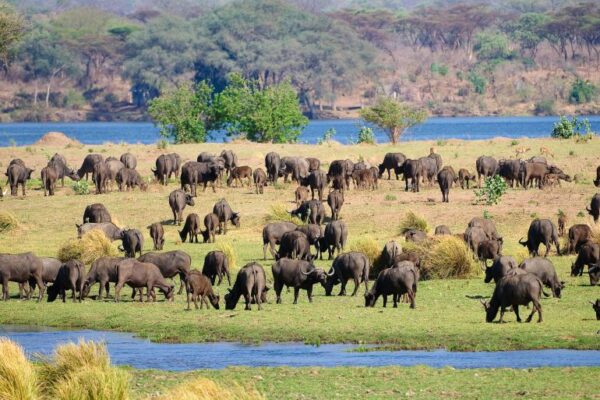
A UNESCO-listed wilderness on the lower Zambezi is famed for its open floodplains, riverine forests, and seasonally flooded islands that attract large populations of elephant, buffalo, and prolific birdlife. Canoe safaris and guided walking trails offer quiet, intimate encounters, paddling past elephants grazing the banks, watching hippos and crocodiles from a respectful distance, or tracking big cats on foot with experienced guides. Fly-camping on river islands under an endless sky preserves solitude and minimal-impact tourism, making Mana a magnet for travelers seeking raw wilderness and authentic safari adventures. Rangers and communities make efforts to safeguard the ecosystem.
Matobo National Park
Whose name means ‘bald heads’, is a dramatic landscape of ancient granite kopjes, balancing boulders and wooded valleys that shelter a surprisingly rich set of wildlife, including black and white rhino, leopard and troops of baboons. The park’s sculpted rock formations and panoramic viewpoints create haunting beauty, while San rock art sites reveal millennia of human presence and spiritual connection to the land. Visitors enjoy guided rhino tracking, interpretive cultural tours, and peaceful walks; conservation and community partnerships focus on protecting rhino populations and preserving cultural heritage, linking tourism to long-term stewardship and education programs.
The Eastern Highlands
Stretch along Zimbabwe’s border with Mozambique and offer cool, misty mountains, forested slopes, and clear streams that contrast sharply with the hot lowveld. Nyanga National Park features rolling montane grasslands, Zimbabwe’s highest peaks, broad views, and waterfalls that attract hikers, trout anglers, and birdwatchers; nearby Chimanimani’s dramatic sandstone ridges and chimneys deliver challenging trails and secluded swimming pools. Small farms and coffee estates add cultural flavor, while community-run trails, mountain lodges, and local guides ensure low-impact experiences and authentic encounters with rural life and conservation. Wildflower displays and cooler temperatures make it a fine retreat year-round indeed.
Lake Kariba,
Created by the Kariba Dam on the Zambezi, it is a vast inland reservoir fringed by dramatic escarpments and islands that host diverse wildlife and dramatic sunsets. Houseboat cruises provide a uniquely relaxed way to explore remote bays, wetlands, and fisherfolk communities, while anglers prize the aggressive tigerfish and plentiful bream. Shoreline lodges and guided boat safaris combine easy wildlife viewing with cultural visits, photographic opportunities, and spectacular light at dawn and dusk; plus sunset cruises, lodge safaris, and community visits complete varied itineraries for travelers seeking both leisure and wildlife discovery. Tourism supports local livelihoods and habitat protection.