Zulu People: Origin, Women, Religion, Culture, and Language.
All You Need To Know About The Zulu People of South Africa
Explore the Zulu people’s origin, women, religion, culture, and language in a rich guide to their heritage, traditions, and identity across Southern Africa now. The Zulu people are one of the most well-known and influential ethnic groups in Southern Africa, with a proud history rooted in today’s South Africa, especially KwaZulu-Natal.
Renowned for their strong sense of identity, rich oral traditions, and deep cultural heritage, the Zulu have played a major role in shaping the history, politics, and culture of the region. Their language, isiZulu, is widely spoken in South Africa, and their traditions continue to be passed down through music, dance, storytelling, and community life, keeping their heritage alive and vibrant.
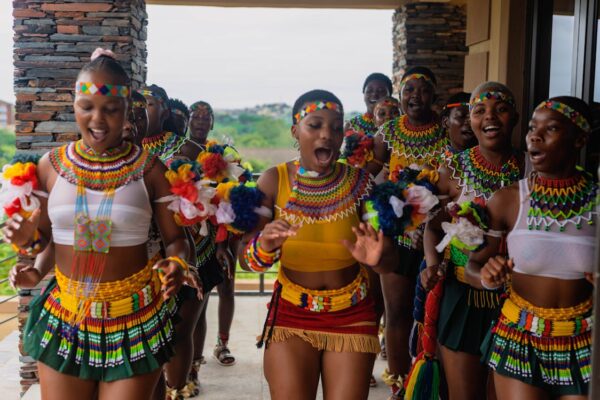
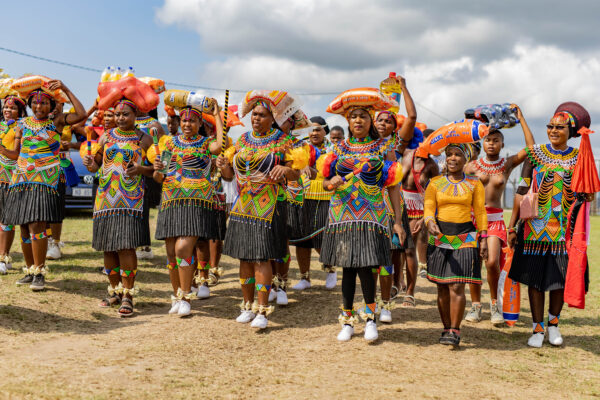
Zulu culture is also celebrated for its ceremonial practices, distinctive beadwork, traditional attire, and energetic dance performances, which reflect both pride and unity. Historically, the Zulu kingdom became especially powerful in the early 19th century under leaders such as Shaka Zulu, who helped transform it into a major force in Southern Africa. Today, the Zulu people remain a symbol of resilience, cultural pride, and continuity, with their customs still admired locally and around the world for their depth, beauty, and enduring strength.
Zulu People’s Origin
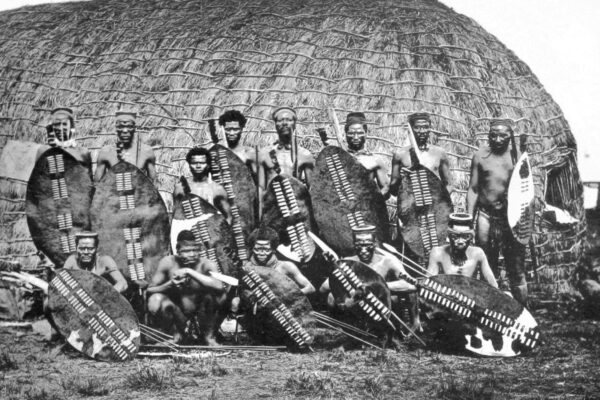
The Zulu people are a Nguni-speaking ethnic group from Southern Africa, mainly associated with present-day KwaZulu-Natal in South Africa. Their roots trace back to smaller clans that lived in the region long before the rise of the Zulu kingdom. In the early 19th century, leadership under Shaka Zulu helped unify many groups into a powerful kingdom with a strong military structure and shared identity. Over time, the Zulu became one of the most recognized communities in Africa, known for resilience, leadership, and a deep connection to land, ancestry, and tradition. Their history remains central to South African heritage.
Zulu Women
Zulu women have long played a vital role in family life, agriculture, childcare, and preserving cultural traditions. In many communities, women are respected as the heart of the home and as keepers of customs, songs, stories, and rituals. Traditional dress, beadwork, and hairstyles often reflect age, marital status, and cultural identity. While life has changed over time, Zulu women continue to contribute strongly to education, business, politics, and community leadership. Their role combines tradition and modern influence, showing strength, dignity, and adaptability. Zulu women are often admired for their ability to protect heritage while shaping the future.
Zulu People’s Religion
The traditional Zulu religion revolves around the belief in a creator and a deep connection with ancestors, who serve as vital spiritual messengers and guardians of the family. Rituals, prayers, and offerings are often used to honor ancestors and seek guidance, healing, or blessing. Spiritual leaders and healers may play an important role in the community, especially in matters of health and family concerns. Today, many Zulu people also practice Christianity, and in some families, traditional beliefs and Christian faith exist side by side. This blend of beliefs reflects the flexibility and depth of Zulu spiritual life across generations.
Zulu People’s Culture
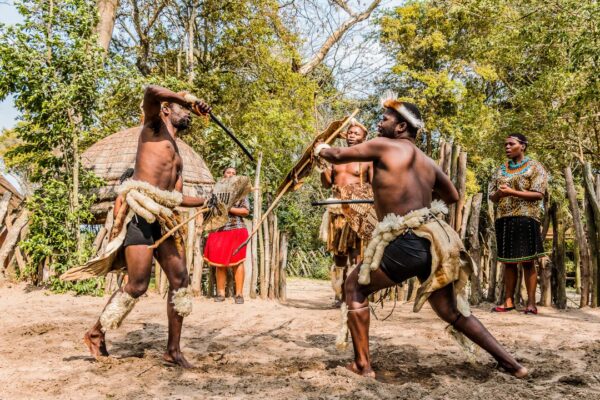
Zulu culture is rich, colorful, and deeply social, with strong traditions in music, dance, dress, food, and ceremony. Beadwork is especially important, often carrying messages about identity, relationships, and social status. Traditional dances, such as energetic war dances and celebration dances, are performed during weddings, festivals, and cultural gatherings. Cattle have historically held great cultural value, symbolizing wealth and status. Respect for elders, community responsibility, and family ties are central to Zulu life. Even today, cultural events, royal ceremonies, and traditional practices continue to keep Zulu identity strong, visible, and proudly celebrated.
Zulu People’s Language
The Zulu language, isiZulu, is one of the most widely spoken in South Africa and belongs to the Nguni branch of the Bantu language family. It is known for its rich expressions, rhythmic sound, and use of click consonants borrowed through contact with other Southern African languages. IsiZulu is used in homes, schools, music, media, and public life, making it both a cultural marker and a living modern language. Many people admire it for its beauty and strength. The language helps preserve Zulu history, values, and identity, connecting older and younger generations through everyday speech and storytelling.