Eldoret International Airport (EDL) Facts, Photos, and Shops
All You Need To Know About Eldoret International Airport
Eldoret International Airport (IATA: EDL, ICAO: HKEL) serves western Kenya from a site roughly 17 kilometers by road south of Eldoret’s central business district, in Uasin Gishu County, close to the border with Uganda. Established in 1995 and owned by the Kenya Airports Authority, the airport sits at a notably high elevation, around 2,150 meters (7,050 feet) above sea level, which affects aircraft performance and requires specific operational adjustments for airlines using the route. It operates a single long runway, and while it handles scheduled and charter passenger flights, its more significant role is as one of Kenya’s leading cargo hubs, particularly for agricultural exports such as flowers, fruit, and vegetables grown in the surrounding highlands. Passenger volumes remain modest by national standards, historically well under a fraction of what JKIA moves, but the airport has seen steady growth in recent years alongside ongoing terminal and apron upgrades.
For safari travelers, Eldoret isn’t a typical gateway the way Nairobi, Kilimanjaro, or Entebbe are; it doesn’t serve as a launch point into any of the major game parks JimJam Safaris builds itineraries around. Its relevance lies more in regional connectivity: it links western Kenya’s Rift Valley highlands, including areas like Kitale and the Nandi Hills, to Nairobi and a handful of other domestic points, and it occasionally comes up for travelers with business, family, or athletics-related reasons to pass through the North Rift region, given Eldoret’s global reputation as a training base for distance runners. If a client’s trip genuinely calls for a stop here, say, combining a highland detour with a broader Kenya itinerary, JimJam Safaris can factor the logistics in, but for most safari-focused travel, JKIA or Wilson Airport remain the more practical entry points into the parks and reserves this region is known for. As always, we’d recommend confirming current flight schedules directly with the airline, since routes through smaller regional airports like EDL can change.
Eldoret International Airport (EDL) – An important international airport in western Kenya, serving passenger and cargo flights, particularly supporting agricultural exports.
Since Eldoret isn’t a typical safari gateway, JimJam Safaris generally routes travelers through Nairobi, Kilimanjaro, or Entebbe. Talk to us if your itinerary has a specific reason to include the North Rift region.
Eldoret International Airport Facts
Eldoret International Airport (IATA: EDL, ICAO: HKEL) is a public airport owned and operated by the Kenya Airports Authority, established in 1995 to serve western Kenya’s Rift Valley region. It sits at a high elevation of approximately 2,150 meters (7,050 feet) above sea level, a factor that affects aircraft performance and requires specific operational planning for airlines. The airport operates a single long asphalt runway and functions primarily as a dual-purpose facility: a modest passenger gateway alongside a significant role as one of Kenya’s top cargo hubs, especially for agricultural exports like flowers, fruit, and vegetables. Passenger numbers remain modest nationally, though recent years have brought steady growth and ongoing terminal and apron upgrades.
Eldoret International Airport Location
The airport is located approximately 16 to 17 kilometers by road south of Eldoret’s central business district, within Kapseret Ward in Uasin Gishu County. This puts it close to Kenya’s international border with Uganda and roughly 269 kilometers by air northwest of Nairobi’s Jomo Kenyatta International Airport. Eldoret itself is Kenya’s fifth-largest urban center and sits south of the Cherangani Hills, in a highland setting known for producing world-class distance runners. For travelers, the airport functions as a regional access point into the North Rift, connecting to Eldoret town, Iten, Kitale, and the Nandi Hills, rather than a hub for onward safari travel into Kenya’s major game parks.
Eldoret International Airport Photos
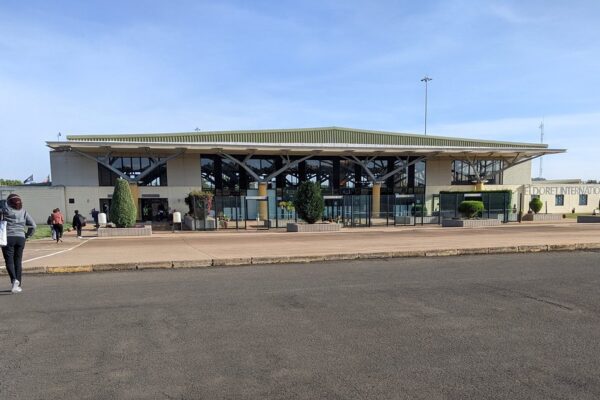
Eldoret International Airport presents a relatively modest, functional facility compared to Kenya’s larger international hubs, reflecting its dual focus on cargo and regional passenger traffic. The terminal building is compact, with straightforward passenger flow from arrivals through baggage claim to ground transport. Much of the airport’s visual footprint centers on its cargo infrastructure, including dedicated freight facilities supporting the flower and produce export trade that defines much of its operational identity. The surrounding highland landscape, open, elevated, and agricultural, frames the airport’s setting and hints at its role in serving Kenya’s Rift Valley farming economy.
Eldoret International Airport Duty-Free Shops
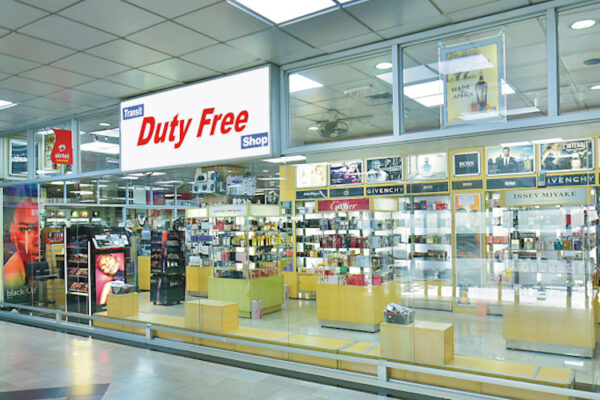
Detailed, verified information on duty-free retail at Eldoret International Airport is limited, which itself reflects the airport’s scale and role; it functions primarily as a regional passenger and cargo gateway rather than a major international hub with extensive retail. Travelers shouldn’t expect the kind of duty-free selection found at JKIA, JRO, or Entebbe; facilities here are geared more toward practical passenger processing than shopping or dining. Anyone with a specific need for duty-free purchases, currency exchange, or extended layover amenities should plan accordingly and confirm current facilities directly with the airport or their airline before travel, since smaller regional airports can see retail offerings change without much public documentation.