
The Vadoma People: Facts, Feet, Hands, and Tribe Location
The Vadoma Ostrich-Footed People Of Zimbabwe
The Vadoma People: Facts, Feet, Hands, and Tribe Location. Ostrich-Footed People of Zimbabwe: The Vadoma People. (All You Should Know About the Vadoma in Africa).
The VaDoma (also written Doma or Wadoma) are a small, distinctive people who live mainly in the Kanyemba area of northern Zimbabwe along the Zambezi valley. Traditionally hunter-gatherers and semi-nomadic, they speak Dema and dialects of Shona and have a rich oral tradition (including a founding myth that ties them to the baobab), customs tied to forest life, and a long history of living apart from neighbouring agricultural groups. Today, many Vadaoma live settled lives in the lowlands while maintaining elements of their traditional culture; their estimated population and basic ethnolinguistic profile are well documented in ethnographic and demographic accounts.
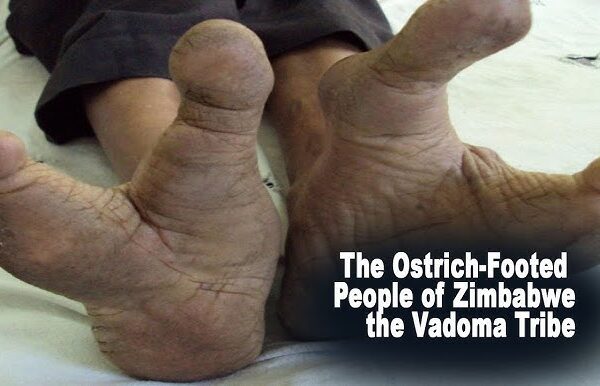
The VaDoma are best known internationally for a high local frequency of ectrodactyly, a hereditary condition in which the middle toes are absent and the two outer toes turn inward, producing an “ostrich-foot” appearance. Medical and genetic studies describe this as a familial, autosomal pattern that became concentrated through generations of endogamy and isolation; the condition is not universally disabling among the VaDoma and has been incorporated into daily life (some people report it helps with climbing and other activities). Like any living community, the vaDoma face pressures from land access, wildlife protection policy, and modernization, and respectful engagement with their needs and rights is important for any visitor, researcher, or policymaker.

The Vadoma Facts
The vaDoma (also written Doma, Dema or Wadoma) are a small, distinctive people of northern Zimbabwe, traditionally the country’s only hunter-gatherers. They speak Dema and dialects of Shona and maintain a rich oral culture that includes a founding myth linking their origins to a baobab tree. Historically semi-nomadic, many Vadaoma now live in settled communities while preserving hunting, honey-gathering, and craft knowledge. Social isolation and endogamy helped preserve unusual genetic traits and cultural distinctiveness, while modern pressures, land access, conservation policy, and economic change shape their contemporary challenges and opportunities. Local advocates call for respectful cultural engagement.
The Vadoma Feet
Among the Vadaoma, a notably high incidence of inherited ectrodactyly, often called “ostrich-foot” or lobster-claw, has attracted medical and popular attention. Affected individuals typically lack the three middle toes, so the two outer toes are turned inward, producing a split or reduced foot shape. This trait follows a familial inheritance pattern concentrated by generations of endogamy and isolation; it is not universally disabling, and many people adapt fluidly, using their feet for climbing, balance, and daily tasks. Researchers and journalists stress the need for a respectful, community-led study rather than sensationalism.
The Vadoma Hands
Ectrodactyly, the condition associated with vaDoma families, can appear in clinical descriptions as a split-hand or “lobster-claw” when it affects the upper limbs, although accounts of vaDoma cases emphasize foot involvement more than hand involvement. Where hands are affected, individuals normally develop adapted grips, tool uses, and household techniques that allow full participation in work, craft, and social life. Ethnographers note that the community transmits adaptive skills across generations, and medical writers warn against framing hand or foot differences as mere spectacle instead of human variation requiring dignity and appropriate support.
The Vadoma Tribe Location
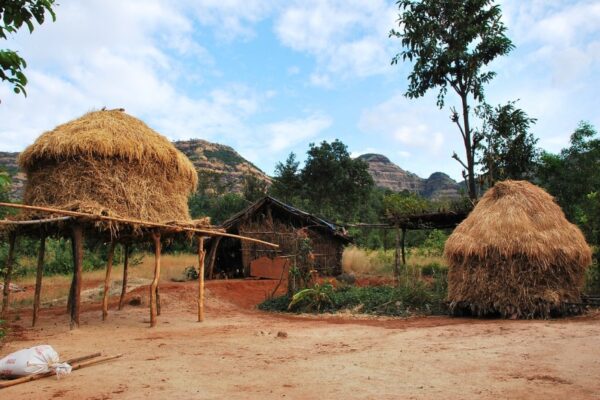
The vaDoma live mainly in the Kanyemba area of northern Zimbabwe, especially in Hurungwe and Chipuriro districts along tributaries feeding the Zambezi River and around the Mwazamutanda river basin and nearby woodlands. Traditionally mountain and forest dwellers, many now occupy lowland villages and engage with neighbouring Shona and Kunda peoples in trade, schooling, and markets. Their homeland’s ecology supports hunting, fishing and foraging practices that remain culturally important. Visitors and researchers are advised to obtain elder permission, act with cultural sensitivity, and respect local conservation rules and history.